
Men's Capsule Wardrobe Essentials: Four Steps and 15 Pieces
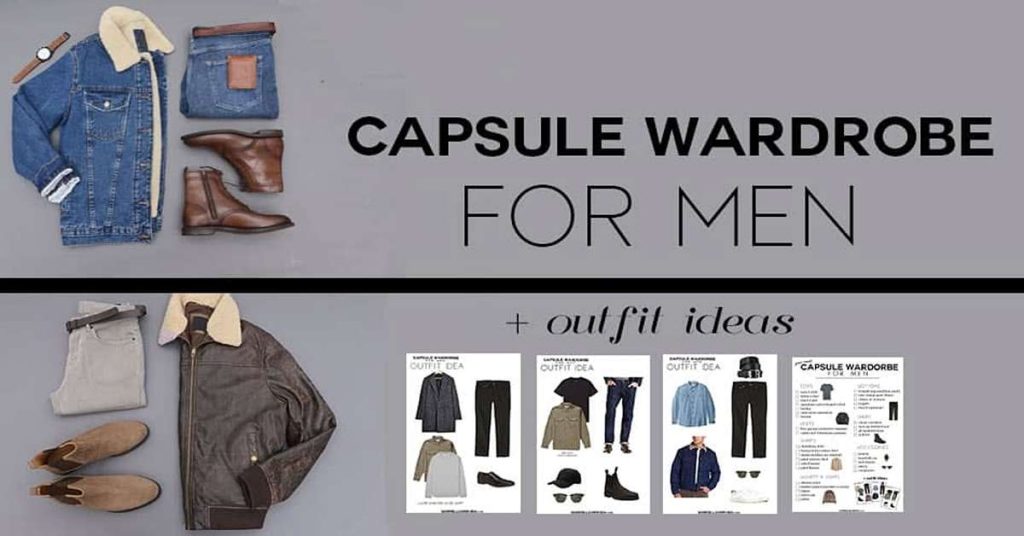
Most men do not need more clothes. They need better ones, chosen on purpose. That is the whole idea behind men’s capsule wardrobe essentials.
Think of it as a short, deliberate list of pieces that work together week after week. It is not a closet full of near-duplicates you dig through every morning.
If you have ever stood in front of a full closet and felt you had nothing to wear, you already know the problem. It is rarely a shortage of clothes. It is too many things that share no color, fit, or purpose.
This guide narrows our complete capsule wardrobe guide to menswear. You will get four steps, a 15-piece list, and an honest look at fit. You will also see the mistakes worth skipping. No trends, no filler, just what earns its place.
Table of Contents
ToggleWhy Most Men's Closets Are Full but Empty
Open almost any average closet and you will find the same pattern.
- Fifteen t-shirts, most bought without much thought
- Two suits that come out maybe twice a year, if that
- One pair of sneakers doing double duty for the gym and a wedding
That is not a discipline problem. It is an easy habit to fall into. Most men replace clothes only once they wear out, so the closet keeps expanding instead of getting sharper.
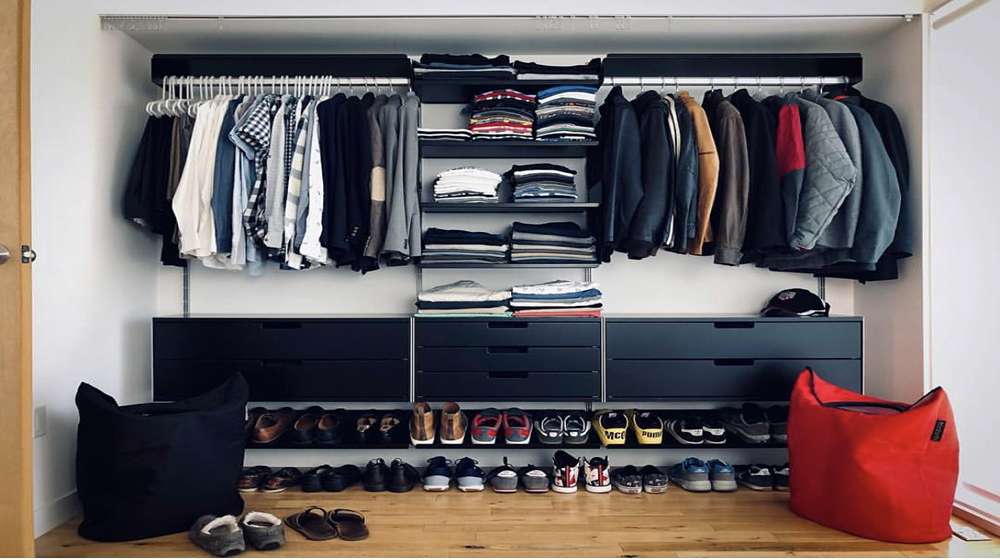
Picture a Tuesday morning with a 9 a.m. call and ten minutes to get dressed. The closet looks full, yet nothing in it feels right. That gap between a full closet and nothing to wear is exactly what a men’s capsule wardrobe closes.
Or picture Thursday night before a business trip. You pull five shirts off the hanger before finding one that suits the weather and the meeting. Men’s capsule wardrobe essentials remove that daily redeciding. You make the real decisions once, carefully, instead of relitigating the same small choice every morning.
The same goes for a last-minute invitation that is more formal than you expected. A closet of near-identical options creates a small panic. Fewer, sharper pieces mean you already own something that fits the moment.
The goal is not to shrink your closet for its own sake. A capsule wardrobe for men follows three simple rules:
- Stick to one color palette.
- Favor pieces that serve more than one purpose.
- Buy on purpose instead of on impulse.
The payoff is never opening a full closet again and thinking, “I have nothing to wear.”
Four Steps to Build Your Men's Capsule Wardrobe Essentials
Step 1. Sort your closet into three honest piles
Pull everything off the hangers. Sort it into worn weekly, worn occasionally, and untouched in the last year. Most men are surprised by how small the first pile is. It usually holds most of the answer to what your capsule should look like. Take a good look before you buy anything new.
Step 2. Pick a palette and stop guessing at the store
Two neutrals and one accent color cover almost any week. Try charcoal and stone as your base, with rust or forest green as the accent. Check every future purchase against that palette. This single habit cuts impulse buys more effectively than any budget spreadsheet.
Step 3. Think in cost per wear, not price tag
A $120 jacket worn 150 times costs about 80 cents per wear. A $35 jacket that falls apart after eight wears costs over four dollars each time. The math is easy to forget at the register, but it is worth remembering before you default to the cheaper option.
Step 4. Replace one weak piece at a time
It is tempting to overhaul the whole closet at once. Don’t. Pick the piece letting you down most, replace it, and wear it for a month before moving to the next gap. Slow and tested beats fast and untested almost every time. Rushed capsules tend to fall apart within a year, usually because nothing in them was tested first.

Men's Capsule Wardrobe Essentials: The 15-Piece List
This list covers a normal week, from casual to smart casual. That is most weeks for most men’s Capsule Wardrobe Essentials. Adjust the count up or down to fit your actual life, not what looks good on Instagram.
- Trousers or chinos (3): well-fitting pairs that carry you from work to dinner without a second thought.
- Dark, straight-leg jeans (1): dark denim reads more polished than light wash and pairs with nearly everything here.
- Shirts (4): pieces that layer under a jacket or stand alone. Keep patterns to one or two, and lean on solid colors for the rest.
- Quality t-shirts (3): in your neutral colors. Save graphic tees for pieces outside the capsule.
- One versatile jacket (1): casual enough for the weekend, sharp enough for a last-minute dinner.
- One knit layer (1): worn over a shirt in colder weather, or on its own with jeans.
- Leather shoes (1): one pair that handles Monday at work and Saturday night out.
- Plain sneakers (1): no oversized branding.
That makes eight categories and 15 pieces, not eighty choices across a dozen brands. Most men do well with somewhere between 12 and 18, so treat 15 as a starting point.
You do not need to buy every piece this month, and you should not try. Start with whichever pile was thinnest in Step 1. Then build outward, one honest purchase at a time.
Our minimalist wardrobe essentials guide covers the same framework in more depth. It also includes examples beyond menswear, which helps if you are building a shared closet or shopping for someone else.
A Sample Week with These 15 Pieces
Numbers on a page do not mean much until you see them in motion. Here is a working week with these pieces in rotation.
Monday. Trousers, a solid shirt, and leather shoes. Sharp without trying hard.
Tuesday. Dark jeans, a patterned shirt, and the knit layer for a cooler morning.
Wednesday. Trousers again with a different shirt, plus the jacket for dinner after work.
Thursday. A quality t-shirt under the knit layer, jeans, and sneakers for a more casual day.
Friday. Chinos and a shirt with leather shoes. No jacket needed.
That is five distinct outfits, and nothing feels repeated. It is the real payoff of building a wardrobe this way.
If your week is mostly office days, our guide to a capsule wardrobe for a work environment shows how to adjust the same pieces for a stricter setting.
Fit and Fabric Win Over Logos Every Time
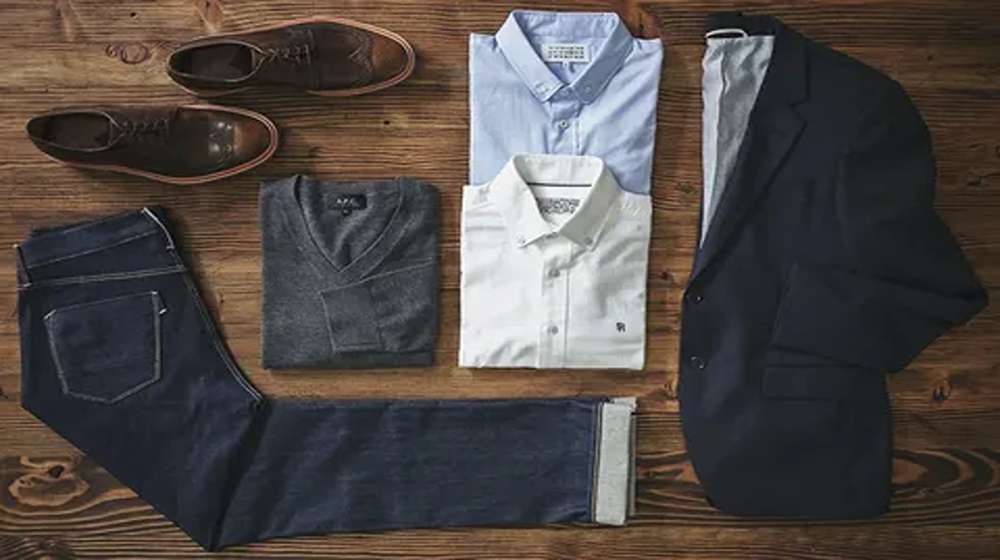
Once your palette is set, mixing and matching becomes automatic. That is exactly when fit and fabric start to matter more than any logo.
A $30 shirt that fits beats a $150 shirt that does not, every single time you put it on. Sleeve length, shoulder seams, and where trousers sit at the waist matter far more than any label sewn into the collar.
Getting fit right is the real secret to making these pieces outlast whatever came before them. Fabric weight matters just as much.
It determines how a piece holds up over time and how it looks once it is off the hanger. Cotton and cotton-wool blends hold their shape through far more washes than thin, cheap synthetics.
The stakes reach beyond one closet. The Ellen MacArthur Foundation reports that the average number of times a garment is worn has fallen by 36 percent since 2000. Buying fewer, sturdier pieces pushes back against that cycle.
If durability and supply chain practices matter to you, check Good On You’s independent brand ratings before you buy. Five minutes there can save you from a jacket that falls apart before the first cold snap.
Building a travel version of this? Our Europe capsule wardrobe guide shows how the same pieces pack down for changing climates and tight suitcase space.
Building This on a Tight Budget
You do not need a large budget to start. The neutral basics on this list turn up regularly at thrift shops and outlet racks for well under retail.
Start with whatever you wear most often, because that is where quality pays off fastest. Trousers you wear three times a week deserve more of your budget than a jacket you reach for twice a month.
Skip buying everything at once. Instead, budget for one solid piece per paycheck over a few months, and let the capsule build itself gradually.
Common Mistakes to Avoid
Even men who understand the basics fall into a few predictable traps.
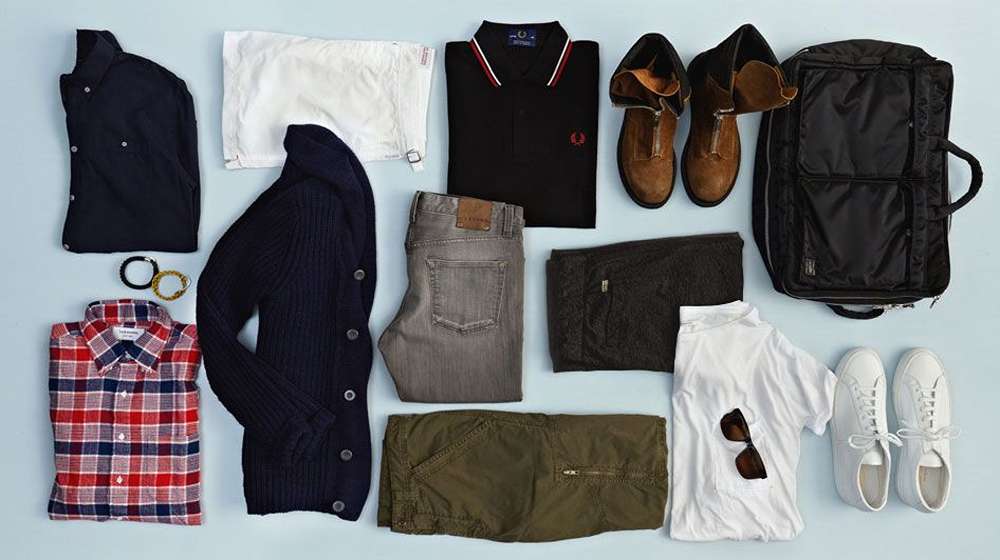
- Buying the whole capsule in one trip. A rushed weekend spree rarely fits as well as pieces chosen slowly, once you know what is missing.
- Chasing trends instead of proven cuts. A boxy jacket that looked sharp last season rarely holds up a year later. Classic cuts age far better.
- Skipping the tailor. Most fit problems disappear with a hem or a taken-in waist. Many men skip this step, then wonder why nothing quite fits.
- Ignoring shoes until last. Worn-through shoes undercut even a perfectly fitted outfit. Budget for shoes the way you would for a jacket.
- Forgetting the accent color. A neutral-only capsule can feel flat after a couple of months. One well-chosen accent, used sparingly, keeps the whole thing intentional.
Frequently Asked Questions
Is 15 pieces really enough to get started?
Yes, for most weeks. Most routines need 12 to 18 well-chosen pieces to cover every day without an obvious gap. Grow the list gradually toward a clear picture of what you want, rather than guessing at all of it up front.
Do I have to give up wearing suits entirely?
No, and no one is asking you to. If you rarely wear a suit, a sharp blazer usually does more work at a wedding, dinner, or smart casual event than a suit that comes out twice a year.
My job has a strict dress code. Does any of this still apply?
Yes. Build your capsule around whatever the dress code does not already dictate, and leave required uniform pieces off the list. The same principles still apply to the rest of your closet.
Will switching to a capsule save me money over time?
Generally, yes, once you factor in cost per wear rather than sticker price. Fewer, better pieces that get worn constantly typically cost less over two years than a steady stream of cheap replacements.
Does a men's capsule wardrobe change from season to season?
Some pieces shift with the weather, though your core palette usually holds steady year-round. Our style and season guide breaks down the full framework. For colder months, see our fall and winter guides.
What if I own most of these pieces, but they do not feel cohesive?
That is the most common starting point, more common than starting from zero. Run what you own through Step 1. You likely have most of what you need. It just has not been organized on purpose yet.
Is this approach only for men who work in an office?
Not at all. The palette and fit rules hold whether you are at a desk, on a job site, or moving between both. Only the specific pieces need to flex to fit your lifestyle.
Does body type change any of this advice?
The core rules stay the same across builds. What changes is fit, not philosophy. A taller frame can follow the same three-rule palette approach, just with longer sleeves and a different trouser rise.
How long does it take to build a full capsule from scratch?
Most guys get there in three to six months, buying one or two items at a time. That pace also gives each new piece a real test before you commit to the next one.
Final Thought and Your Next Step
A men’s capsule wardrobe is not really about fashion. It is about opening a full closet on a Tuesday morning and knowing exactly what you are putting on, without the second-guessing.
Start with the audit. Fix your palette. Replace your weakest piece, one at a time, until the whole closet works together.
Our capsule wardrobe checklist gives you a printable version of this process, including seasonal swaps and budget planning. Ready to start today? Pick your weakest current piece and replace just that one this month.
For more real-life wardrobe advice, browse our latest style guides. You can also learn more about The Fashion Outreach.