
Sustainable Summer Fashion: 7 Easy Ways to Shop Smarter

Sustainable summer fashion is not about buying a whole new wardrobe. It is about choosing lighter, longer lasting pieces, wearing them more often and caring for them properly, so your summer closet stays useful for years.
Many shoppers want to do better but get stuck on the details. Which labels can you trust? Which fabrics actually stay cool? Are the famous ethical brands still in business? This sustainable wardrobe guide answers those questions and explains sustainable summer fashion in plain language.
You will find sourced facts, trusted certifications, the best natural fabrics for summer, brands that still operate, budget options and care habits that make clothes last.
If you like to build a small capsule first, our minimalist wardrobe essentials guide is a good companion. Think of it as a complete guide to sustainable summer fashion. New here? Learn how we work on our About Us page.
Table of Contents
ToggleWhat Is Sustainable Summer Fashion?
Sustainable fashion means choosing clothing that respects the people who make it, the animals and land behind its materials, and the planet it is produced on, from raw fiber to what happens when you finish wearing it.
Sustainable summer fashion applies the same idea to hot weather: breathable natural fibers, versatile pieces and fewer impulse buys.
It is less about one green label and more about a pattern of decisions: buying less, choosing better and wearing things longer.
The numbers show why this matters, though they need careful handling:
- The European Commission cites an estimated 2,700 liters of fresh water for one cotton T-shirt, about 713 US gallons. Estimates vary with growing conditions and irrigation methods, so treat it as a rough guide.
- The UN Environment Programme says the textile sector accounts for 2 to 8 percent of global greenhouse gas emissions. Older posts often repeat “8 to 10 percent”, but the current range is lower and still uncertain.
- The EPA estimated that US textile generation was 17 million tons in 2018, and that only 14.7 percent was recycled, according to its textiles data page. These are the latest national figures I could confirm.
None of this requires an overnight wardrobe overhaul. Sustainable summer fashion requires better decisions made consistently, which is what the rest of this guide walks through.
The Real Case for Switching
Here is why sustainable summer fashion is worth the effort.
It can save money over time. Eco friendly pieces often cost more upfront, but they are built to survive many more washes and wears. A well made $90 dress worn 40 times costs about $2.25 per wear.
A $25 dress that falls apart after 4 wears costs about $6.25 per wear. Buying less and better is often the cheaper long term strategy.
It can be kinder to your skin. Conventional clothing is often finished with dyes and chemical treatments that can irritate sensitive skin, especially in summer heat and sweat. Certified organic and low chemical processing avoids much of this.
It reduces water use and pollution. Textile dyeing and finishing are among the more water and chemical intensive parts of manufacturing. Durable, responsibly produced pieces reduce waste compared with constantly replacing cheap, short lived garments.
It supports fair labor. Many garment workers worldwide still earn low pay with limited protections. Brands with visible supply chains and fair wage certifications are one direct, if incomplete, lever for change.
It tends to look better, longer. Simple, well made pieces in durable fabrics age better than trend driven fast fashion, which is often designed to look tired within a season. That is a quiet advantage of sustainable summer fashion.
Certifications Worth Trusting (and Greenwashing to Avoid)
Vague words like “eco friendly” or “natural” on a label mean little without third party verification. Certifications are the backbone of credible sustainable summer fashion. Look for:
- GOTS (Global Organic Textile Standard): verifies organic fiber content and social criteria across the supply chain.
- OEKO-TEX Standard 100: confirms the finished textile has been tested for a defined list of harmful substances.
- Fair Trade Certified: confirms fair wages and safe working conditions.
- B Corp Certification: assesses a company’s overall social and environmental performance, not just one product.
- bluesign: focuses on responsible chemical and manufacturing processes.
Red flags: vague sustainability language with no certification, brands that will not say where or how something is made, and marketing built on one flattering statistic with no source.
A free, independent tool worth using is Good On You, which rates thousands of brands on labor, environmental and animal welfare practices.

Best Natural Fabrics for Summer
The best natural fabrics for summer keep you cool, resist odor and break down more easily at the end of their life. They are the foundation of sustainable summer fashion:
- Organic linen: breathable, biodegradable and softer with every wash.
- Organic cotton: soft, lightweight and lower in chemical load than conventional cotton.
- Hemp: fast growing, needs minimal pesticides and is naturally UV resistant.
- Tencel (lyocell): made from wood pulp in a closed loop process, with a smooth drape.
- Bamboo blends: soft and breathable, though processing varies, so look for lyocell or certified production.
- Recycled polyester (rPET): useful for activewear, made from recycled plastic rather than virgin material.
Avoid where possible: virgin polyester and nylon, which carry a heavier carbon footprint and shed more microplastics in the wash, and heavy denim, which is slow to dry and traps heat.
A note on the 91 percent organic cotton claim. A widely repeated figure says organic cotton uses 91 percent less water than conventional cotton. It traces back to a Textile Exchange life cycle study, as summarized by GOTS.
It refers to blue water, meaning irrigation and surface or groundwater, and later industry critiques note that organic farms in the study were often rain fed.
The direction holds, since organic methods generally use less irrigation, but treat the exact number as a study result, not a universal rule, especially when you shop for sustainable summer fashion.
7 Easy Ways to Build a Sustainable Summer Wardrobe
These seven steps turn the facts above into a sustainable summer fashion routine you can start this weekend. Treat them as your sustainable wardrobe guide for the season.
1. Audit what you own.
Sort everything into keep, donate, repair and recycle. Most people discover that many gaps are already covered by something in the closet.
2. Define your real summer routine.
Work, weekends and travel call for different pieces, so build around your actual week. If your plans include extreme heat, our what to wear in Dubai summer guide applies the same breathable fabric logic to one of the hottest climates.
3. Build a small capsule of versatile essentials:
Lightweight cotton or linen tops, linen dresses, neutral shorts or wide leg trousers and breathable basics that layer easily. If you want fit specific advice, see our summer plus-size capsule wardrobe.
4. Choose timeless over trendy
A well cut neutral piece stays useful for years, while a trend piece is often unwearable within a year. Timeless pieces are the core of sustainable summer fashion. As a rough target, 20 to 30 versatile summer pieces is enough for most people.
5. Buy secondhand first.
Resale and thrift shops often list higher quality pieces at a fraction of retail, and a reused garment adds no new production.
6. Check certifications before you buy new.
Choose pieces with GOTS, OEKO-TEX or Fair Trade labels, not vague claims.
7. Care for what you buy.
The most sustainable garment is the one you keep wearing, which is why the care section below matters as much as the shopping advice.
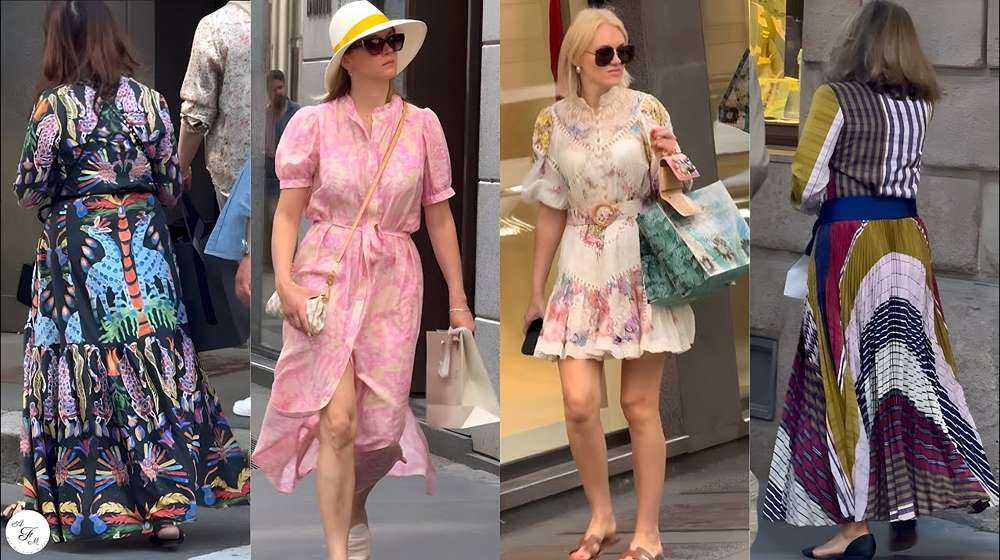
Sustainable Summer Style for Women
Sustainable summer style for women works best when each piece does several jobs, and sustainable summer fashion for women should always feel easy to wear:
- Organic cotton sundresses: breezy and versatile from daytime into evening.
- Linen wide leg trousers: comfortable in heat and dressier than shorts.
- Tencel wrap dresses: flattering across body types, with a smooth, cool drape.
- Hemp canvas tote bags: a practical, durable everyday accessory.
- Recycled nylon swimwear: a lower impact option for beach and pool days.
Inclusive sizing has grown across ethical brands in recent years, and several now offer extended ranges without compromising on fabric or construction. Check each brand’s size chart, because ranges change.
A season friendly palette: terracotta and dusty rose, soft botanical prints on organic cotton, classic navy and white linen stripes, and earthy neutrals with a pop of matcha green.
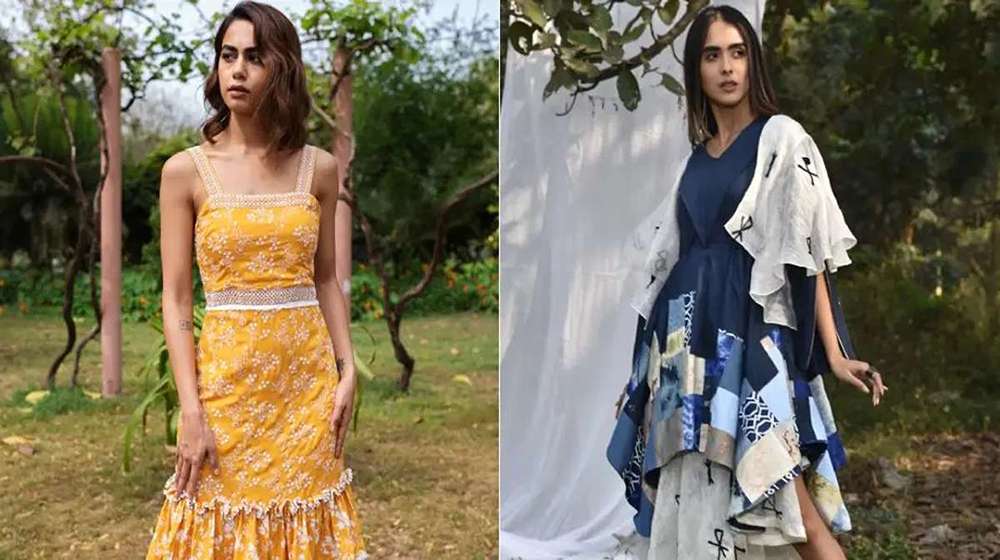
Sustainable Summer Style for Men
For men, the same sustainable summer fashion principle applies: fewer, better pieces in breathable fabrics.
- Organic linen button downs in sand, white or sage, the most versatile hot weather staple.
- Recycled nylon swim shorts, practical for beach and pool.
- Hemp chino trousers, lightweight, durable and more breathable than standard cotton chinos.
- Organic cotton tees in classic cuts.
- Tencel joggers for casual evenings.
Styling tip: keep the palette neutral and earthy for maximum mix and match value. Two or three genuinely good staples, such as a sand linen shirt, recycled denim shorts and hemp canvas sneakers, outperform ten forgettable pieces, both stylistically and sustainably.
Sustainable Clothing Brands Worth Knowing
Sustainable clothing brands change quickly, and that affects sustainable summer fashion choices. Several once popular names have closed, including Mara Hoffman in 2024 and Amour Vert in 2025, so check a brand’s current status before you buy. These sustainable clothing brands were operating when I checked:
- [Patagonia](https://www.patagonia.com/ownership/): states that it continues to donate 1 percent of sales each year to grassroots environmental nonprofits.
- [Eileen Fisher](https://www.eileenfisherrenew.com/learn-more): runs a take back program called Renew that gives $5 in store credit for each piece returned in the US.
- [Reformation](https://www.thereformation.com/sustainability-nav/refscale): publishes an annual sustainability report and shows a carbon and water footprint estimate, called RefScale, for its products.
- [Pact](https://wearpact.com): organic cotton basics that are GOTS certified and Fair Trade Certified, at accessible prices.
- [Tentree](https://www.tentree.com): plants ten trees for every item sold and uses materials such as hemp, organic cotton, Tencel and recycled polyester.
- [Outerknown](https://www.outerknown.com): a sustainably made menswear and surf brand that continues to operate.
- [prAna](https://www.prana.com): active and lifestyle clothing that includes Fair Trade Certified styles.
Sustainability claims in sustainable summer fashion also change over time, so read each brand’s current policies, and use Good On You for an independent view.
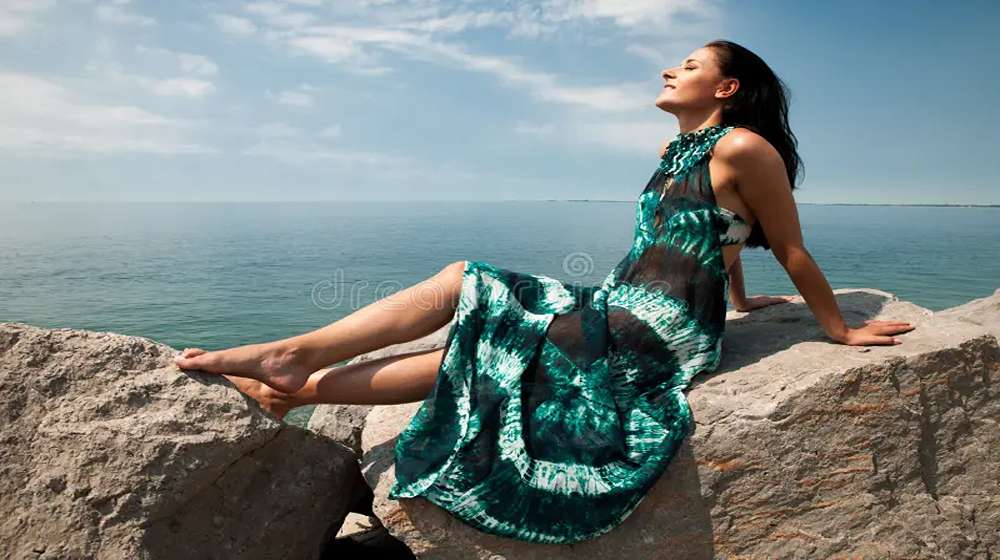
Affordable Ethical Brands and Smart Shopping Habits
Sustainable summer fashion is not only for large budgets. These affordable ethical brands and resale options are worth checking:
- [Pact](https://wearpact.com): GOTS certified basics, with regular sales.
- [ThredUp](https://www.thredup.com): one of the largest secondhand marketplaces online. In its 14th annual report, ThredUp projects the global secondhand apparel market will reach $393 billion by 2030.
- [Quince](https://www.quince.com): direct to consumer pricing that is often lower than comparable brands. Check its material and factory disclosures before you buy.
Smart habits that stretch a budget:
- Buy secondhand first.
- Prioritize fabric quality over brand name, since good linen from an unknown label beats polyester from a famous one.
- Shop end of season sales, when many brands discount most heavily.
- Calculate price per wear, because a durable $60 piece worn 50 times beats a $15 piece worn 5 times.
Accessories Worth the Investment
Accessories matter in sustainable summer fashion too. They carry the same production and disposal impact as clothing, but they are often left out of sustainability conversations. Look for:
- Bags made from recycled or deadstock materials rather than virgin leather or plastic.
- Jewelry from recycled metals or traceable, small batch sourcing.
- Sunglasses with bio based or recycled acetate frames.
- Natural fiber hats, such as straw or raffia, that biodegrade at end of life.
Quick filter: look for recycled or biodegradable materials, ethical production claims you can verify and minimal packaging. Skip anything priced to be disposable, which is usually a sign it was made to be.
How to Care for Your Clothes So They Actually Last
Proper care is arguably the most sustainable habit in sustainable summer fashion, because it directly extends a garment’s life.
Washing. Use cold water, since most of the energy a washer uses typically goes to heating water. Run a short cycle for lightly worn summer clothes, and use a microfiber catching wash bag for synthetic items to reduce microplastics reaching waterways.
Drying. Air dry whenever possible. If you use a machine, choose the lowest heat setting, since high heat degrades fibers fastest.
Storage. Keep linen and cotton in breathable fabric bags rather than plastic, use cedar blocks instead of chemical moth repellents and fold knits instead of hanging them to avoid shoulder stretch.
Repair before replacing. A loose button or small tear is not a reason to discard a garment. Basic mending or a local tailor keeps clothes in rotation and out of landfill.
A Simple Cost Per Wear Example
Here is an illustrative example of sustainable summer fashion in practice, not a case study. Imagine you replace 10 cheap summer pieces that each last one season with 4 well made pieces that last three seasons each.
If the cheap pieces cost $20 each, you spend $200 per season, or $600 over three seasons. If the 4 better pieces cost $60 each, you spend $240 once. The saving in this example is $360, and you also make fewer shopping trips and decisions.
Your numbers will differ, so run the same calculation with your own prices and wear counts. The point is the method: divide the price by the number of times you realistically wear each piece, which is the habit behind smart sustainable summer fashion budgeting.
Building Community Around Sustainable Style
Sustainable summer fashion works best as a shared practice. Clothing swaps, resale communities and shared brand recommendations all help normalize buying less and choosing better, and they make the change easier than doing it alone.
If you also travel in summer, our Europe capsule wardrobe guide shows how a small capsule can cover several climates, and our broader guide to how to dress for travel explains how to pack by climate.

Frequently Asked Questions
Is sustainable summer fashion more expensive than fast fashion?
Not necessarily. Affordable ethical brands such as Pact and Quince, plus resale platforms such as ThredUp, offer accessible entry points, and sustainable pieces often cost less per wear because they last longer.
How do I know if a brand is truly sustainable or just greenwashing?
Look for third party certifications such as GOTS, Fair Trade, OEKO-TEX or B Corp, plus a visible supply chain report. Independent tools like Good On You rate brands without relying on their own marketing.
What are the best natural fabrics for summer?
Organic linen is generally the top choice because it is breathable, biodegradable and softens over time. Hemp, organic cotton and Tencel are strong alternatives.
Is buying secondhand better than buying new sustainable pieces?
In most cases, yes, because reusing an existing garment adds no new production footprint. Buying new from a genuinely certified brand is a solid second choice.
How many pieces do I need for a sustainable summer wardrobe?
Most people function well with 20 to 30 versatile pieces, which gives variety without excess clutter.
Can sustainable summer fashion still follow current trends?
Yes, selectively. Instead of replacing a wardrobe each season, add a small number of trend pieces to a durable, timeless base.
Does washing differently really make a difference?
Yes. In sustainable summer fashion, cold water washing and air drying reduce the energy tied to laundry, and gentler care slows fiber wear so clothes last longer.
Final Thoughts
Sustainable summer fashion is not a single purchase decision, it is a set of small, repeatable habits. Choose fewer but better pieces, understand what a fabric and a certification actually mean, care for clothes so they last and buy secondhand before new when it makes sense.
None of this requires perfection to count as sustainable summer fashion. Start with one piece, such as a certified organic linen shirt, a secondhand