
How to Dress for Travel: 7 Easy Rules for Any Climate
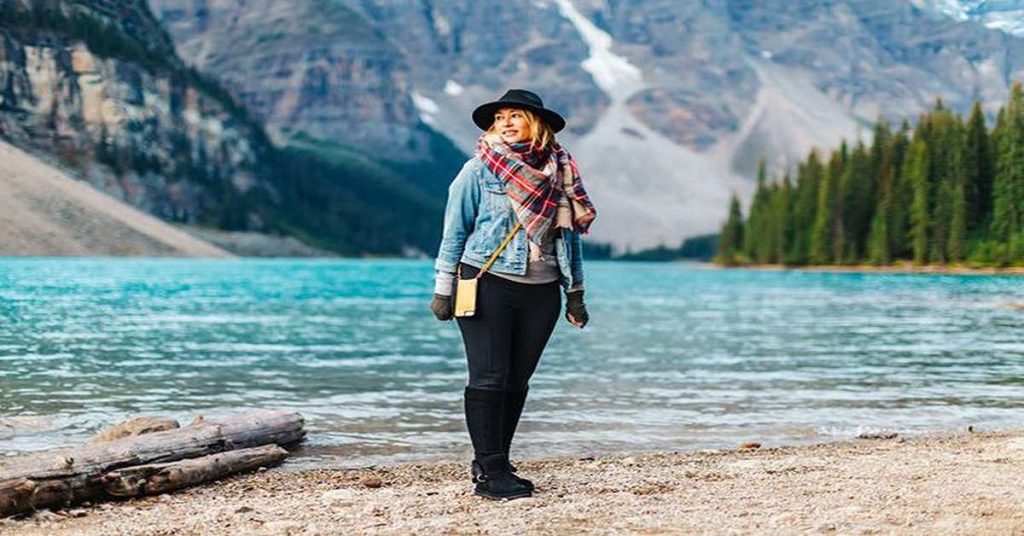
Knowing how to dress for travel starts with one idea: the same outfit can be perfect in one place and wrong in another.
A wool sweater that feels ideal on a crisp American fall afternoon is unbearable in Dubai summer heat. A breezy linen dress built for the Mediterranean will not survive a sudden chill in Northern Europe.
Climate matters more than trends, and culture matters as much as climate. This guide shows you how to dress for travel by reading both before you open your suitcase, so you are never guessing what “appropriate” or “practical” means somewhere unfamiliar.
Below you will find seven easy rules, a packing checklist and advice for business and leisure trips. After that, jump to our detailed guides for hot desert summers, American fall weather and multi climate European trips. Want to know who writes these guides? See our About Us page.
Table of Contents
ToggleWhy Climate Should Drive Your Wardrobe
It is easy to build outfits around what looks good on a mood board without asking whether they will work in the destination. A heavy knit that photographs beautifully in cool, cloudy weather becomes a problem in extreme heat, both for comfort and for visible sweat.
Climate is more than temperature. Humidity changes how fabric feels and how quickly it wrinkles.
Strong sun affects which colors show sweat and which fabrics give real protection. Even a simple question like what to wear in unfamiliar weather depends on local norms and what is typical in that city.
Start with the climate and the cultural setting, then choose a style that fits inside those limits. Starting with a style you already like and forcing it to work everywhere rarely succeeds. This is the first lesson in how to dress for travel.
How Local Culture Shapes What Is Appropriate
Climate tells you what will be comfortable. Culture tells you what will be appropriate, and the two do not always agree. A sleeveless top may suit a hot climate perfectly but fall outside local norms near religious sites, in conservative neighborhoods or during cultural events.
The most reliable approach is to research the specific city rather than the whole country. A beach town and a capital in the same country can have very different expectations about coverage and formality.
Check the destination’s official tourism board, and look at what residents and recent visitors to that city are actually wearing.
Fabric and cut can solve both problems at once. A long sleeved top in a truly breathable fabric gives coverage and comfort together, which matters if you are searching for the best clothes for hot humid weather that still meet a more conservative standard.
The two goals are not in conflict once you plan for them together. Culture is the second pillar of how to dress for travel.
7 Easy Rules for How to Dress for Travel
These seven rules apply to almost every destination. Use them as your core framework for how to dress for travel, then adapt them with the region guides further down.
Rule 1: Read the Climate First
Look at the expected temperature, humidity, wind and sun for your exact dates, not the general season. Dates matter: early and late in a season can feel completely different. Reading the climate is step one of how to dress for travel.
Rule 2: Choose Fabric for Performance, Not Looks
In hot, humid or high sun places, natural breathable fabrics like cotton and linen, and some technical blends, keep you far more comfortable than fabrics that only look similar.
Fabric is where how to dress for travel gets practical, and the best clothes for hot humid weather are natural, breathable fabrics in loose cuts. In cold or wet places, wool, technical outer layers and moisture wicking base layers matter more than how heavy a fabric looks.
Rule 3: Research Local Norms for the Specific City
Some destinations, including many across the Middle East, have cultural or religious expectations about coverage that go beyond temperature. Lightweight, breathable fabric in the right cut can meet both needs, so plan comfort and coverage together. Skipping this research is the fastest way to get how to dress for travel wrong.
Rule 4: Layer for Temperature Swings
Layers you can add or remove protect you from big swings. Desert climates are hot by day, cooler at night and often icy inside air conditioning.
Trips across several regions multiply this need. Layering is the single most useful habit in how to dress for travel.
For cold destinations, the National Weather Service explains that wind chill describes how cold it feels on exposed skin. Its example is 0°F with a 15 mph wind, which feels like −19°F, so check wind as well as temperature before you choose layers.
Rule 5: Let Color and Fabric Weight Work for You
Light colors reflect heat and suit high sun climates. For hot weather, a National Weather Service heat safety sheet advises loose fitting, lightweight, light colored clothing.
Richer, deeper tones suit cooler, lower light seasons and often photograph well in muted fall and winter light.
Rule 6: Pack Outfits, Not Items
Before you pack, sketch real outfit combinations. This shows gaps early, such as nothing that layers over your one warm weather dress, while you can still fix them. Planning outfits ahead simplifies how to dress for travel on a trip of any length.
Rule 7: Pack for Where You Are Going, Not Where You Left
This sounds obvious, yet it is the most common mistake. Bringing a wardrobe built for your home climate to a very different destination, then trying to force it to work, almost always disappoints.
Travel Packing Checklist: Build a Capsule Wardrobe
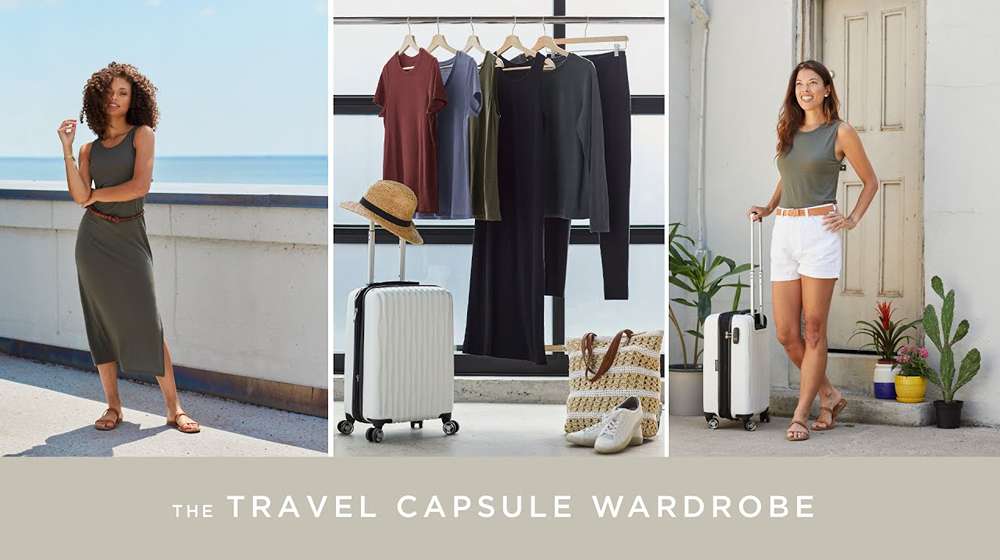
A capsule wardrobe pairs naturally with how to dress for travel across more than one climate. A smaller set of versatile, climate appropriate pieces is easier to carry, and fewer well chosen pieces combine in more ways as conditions change.
This is the practical side of how to dress for travel. Use this travel packing checklist to build yours:
- Choose a base palette. Pick two or three neutral tones plus one or two accent colors, so pieces mix across the whole trip.
- Prioritize pieces that cross climates. A midweight cardigan, a versatile scarf or a jacket that layers over several tops earns its place faster than a piece for one temperature.
- Think in outfits. Sketch combinations before you pack, and check each climate on your itinerary is covered.
- Include one polished option and one practical option for each climate, so neither business nor leisure moments catch you unprepared.
- Test the full set at home. Wear or try every outfit once, so you pack only what you will actually use.
New to capsule dressing? Our minimalist wardrobe essentials guide covers the full framework by season and body type. If you plan to travel in summer, our summer plus size capsule wardrobe applies the same principles with fit specific advice.
Choose Your Guide by Region or Climate
Once you know the rules, pick the guide for your destination. Each region adds its own twist to how to dress for travel, and each guide goes deeper than this one can.
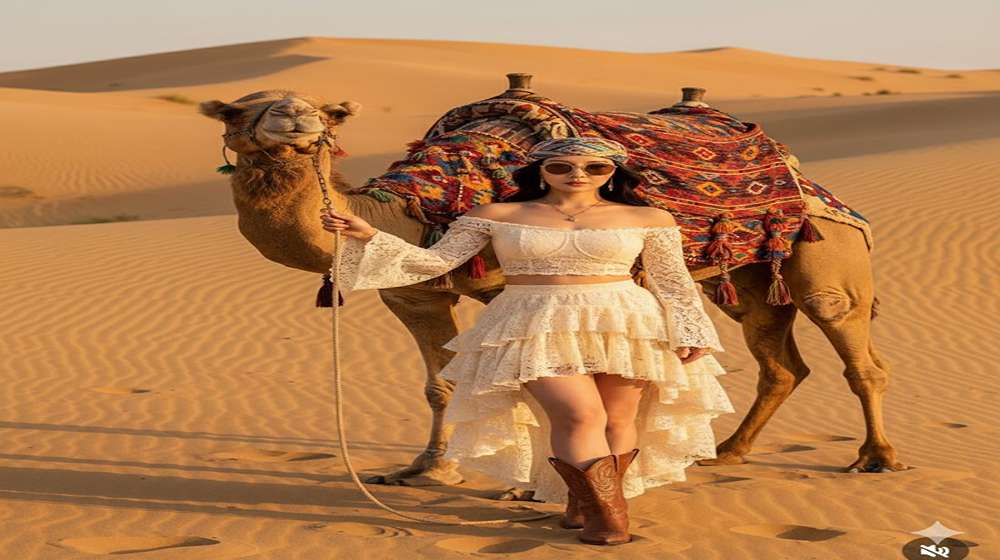
Dubai and Desert Summer Climates
Dubai summer heat is intense and dry, so fabric and coverage choices matter more here than almost anywhere. Local norms around modesty mean simply wearing less is not the answer.
The goal is to stay cool while still dressing appropriately for the setting, whether that is a mall, a business meeting or a casual outing. Dubai is the clearest example of how to dress for travel when climate and culture collide.
Our what to wear in Dubai summer guide covers fabrics that help in extreme heat, how to balance coverage with comfort, and outfit ideas that handle both outdoor heat and strongly air conditioned interiors.
American Fall Weather
Fall across the United States varies by region. New England needs heavier layers much earlier than the South, but the challenge is the same everywhere: a wardrobe that handles wide day to night swings and a gradual seasonal shift. Fall shows how to dress for travel when temperatures change within a single day.
Our fall outfit ideas for women USA guide walks through layering, seasonal color palettes and versatile pieces that carry you from warm early fall afternoons into colder, shorter days.
For the colder end of the season, our winter brunch outfit ideas guide shows how to layer for city weather.

Multi Climate European Travel
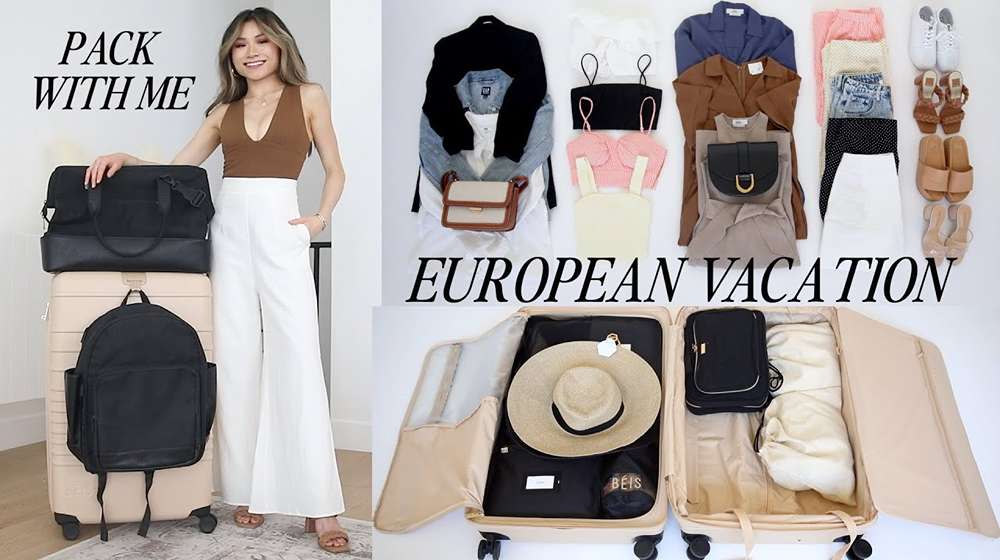
A longer European trip can take you through several climates in one week: a warm Mediterranean coast, a cooler mountain region and a temperate capital city.
That needs a different strategy from a single destination trip, because your wardrobe has to flex without doubling your luggage. Europe shows how to dress for travel across several climates at once.
Our Europe capsule wardrobe for summer guide builds a compact, versatile wardrobe for changing European climates. It is a strong starting point for the best travel outfits when you are covering several countries.
How to Dress for Travel: Business Versus Leisure
How to dress for travel also depends on why you are traveling. Business trips add a layer leisure trips do not have: pieces must hold up in a boardroom or client meeting, not only on a sightseeing walk.
For business trips to hot climates, a lightweight blazer in a breathable cotton or linen blend does more work than a heavy structured jacket. It looks professional without leaving you overheated the moment you leave an air conditioned building.
A short business travel packing list for this kind of trip might include:
- One breathable blazer
- Two versatile dresses or separates that move from a client dinner to a daytime meeting
- One pair of polished, comfortable flats
- One lightweight scarf or wrap for unpredictable air conditioning
For leisure travel, comfort and flexibility come first. You will likely spend long stretches outdoors and deal with unpredictable local transport, so looser silhouettes, casual footwear and pieces that pack small and resist wrinkles matter more.
Mixed trips benefit most from a capsule approach. A shared neutral palette lets a blazer worn to a morning meeting pair with a casual top that evening, without a second suitcase.
Best Travel Outfits for Any Climate
These four formulas show how to dress for travel in common situations. Adapt the fabrics to your destination using the rules above.
- Hot and humid: a loose linen shirt, wide leg cotton trousers and flat sandals, with a light layer for air conditioning.
- Cool and changeable: a breathable base layer, a midweight sweater and a packable jacket you can add or remove.
- Cold and windy: a moisture wicking base layer, a wool mid layer and a windproof coat, with a scarf and hat.
- Business and travel: a wrinkle resistant blazer over a simple top, tailored trousers and comfortable polished shoes.
Common Mistakes When You Dress for a New Climate
These are the errors that most often undermine how to dress for travel.
- Packing for the climate you are leaving. Research the expected conditions for your dates and destination instead of relying on general assumptions about the season.
- Choosing fabric on looks alone. Some fabrics that look light trap heat, while some that look heavy feel comfortable because of their weave. Check the fiber content on the label.
- Putting climate logic ahead of local norms. Comfort and cultural fit are separate questions, and both need research.
- Planning for one temperature. Deserts, mountains and multi country itineraries all involve swings, so build in layers.
- Treating a broad region as one place. “European fashion” or “hot climate fashion” are broad labels, and conditions vary widely within them. Guidance matched to your actual destination is far more useful.
Frequently Asked Questions
What fabrics work best for extreme heat, like a Dubai summer?
Lightweight, breathable natural fibers like cotton and linen, plus some moisture wicking blends, perform best. Loose, flowing cuts that allow airflow also help more than fitted pieces, even in the same fabric.
How should I dress for fall in the USA if I am unsure how cold it will get?
Layer. A breathable base layer, a light sweater as a mid layer and a jacket or coat you can add or remove covers most of the day’s changes.
Do I need a different wardrobe for each country I visit in Europe?
Not necessarily. A capsule wardrobe of versatile, layerable pieces can adapt across several climates in one trip, which is more practical than packing separate outfits for every stop and is the heart of how to dress for travel on long trips.
How do I balance modesty with staying cool in hot climates?
Choose breathable, lightweight fabrics in looser cuts with the right coverage, instead of cutting coverage to stay cool. A long, flowy sleeve in a truly breathable fabric can give coverage without trapping heat.
What should be on a business travel packing list for a hot destination?
Stick to breathable fabrics even in formal pieces: a lightweight blazer, wrinkle resistant separates in cotton or linen blends and one pair of polished, comfortable shoes. Keep colors versatile so a few pieces recombine across several days.
How many outfits should I pack for a multi climate trip?
Count combinations, not outfits. A capsule of 10 to 15 pieces can produce far more outfits than the number suggests, as long as the pieces share a palette.
How can I tell whether a fabric will perform in heat or humidity?
Check the fiber content on the label. Natural fibers like cotton and linen, and fabrics labeled moisture wicking, are generally more reliable in heat and humidity than synthetic blends that look light but trap heat.
What is the simplest way to approach how to dress for travel?
Start with the climate, then check local norms, then choose breathable fabric in layers you can add or remove. Those three steps solve most outfit problems before you pack.

Final Thoughts
Climate and culture, more than trends, should be the starting point for how to dress for travel, wherever you are going. Once you understand the conditions and context, the right outfit choices become far more obvious.
Use the seven rules as your framework for how to dress for travel, then open the guide for your destination or season.
For a broader look at dressing well for any event, not just any climate, our occasion wear guide is a useful companion, and our latest style guides cover more destinations and seasons.