
Occasion Wear Guide: 7 Easy Rules for Any Special Event
This occasion wear guide takes the guesswork out of dressing for a specific event. Getting dressed for an ordinary day is easy once you have a system. Getting dressed for a brunch, an engagement shoot or a christening is harder, because the dress code is rarely spelled out and the stakes feel higher.
A good occasion wear guide turns vague advice like “dressy but not too dressy” into clear decisions. Below you will find seven rules that work for almost any event, advice on coordinating with other people, and a seasonal playbook.
After that, jump to our in depth guides for winter brunches, engagement sessions, christenings and dresses for special occasions. You can go from “what do I even wear?” to a finished outfit in minutes instead of hours. New here? Our About Us page explains how we build these guides.
Table of Contents
ToggleWhy Occasion Wear Feels Harder Than Everyday Dressing
Everyday dressing gives you constant feedback. You wear something, see how it holds up through the day, and adjust next time.
Occasion wear offers no such practice. You may attend one engagement shoot a year and one christening every few years, so your only references are saved photos and a vague memory of what other guests wore.
Occasion outfits also have to do several jobs at once. A brunch look must photograph well and survive two hours at a table.
An engagement outfit must work in natural light, match a partner’s outfit and hold up through many poses. A christening outfit must look elegant while the day moves from church to reception.
Once you know what the outfit actually has to do, choosing it gets much clearer. That is the idea behind everything in this occasion wear guide.
7 Easy Rules for Choosing Occasion Wear
These seven rules are the core of this occasion wear guide. They apply to almost any event, whatever the dress code says.
Rule 1: Match the Setting, Not Just the Event Name
“Brunch” can mean a casual diner or an upscale hotel restaurant. Picture the real space before you choose anything: indoor or outdoor, casual or upscale, seated or standing.
A shoot among engagement photo ideas outdoor locations offers, for example, calls for different shoes than a hotel lobby. The same logic applies to formal dinner outfits.
A formal dinner at a private home reads differently from one in a hotel ballroom, so dress for the room, not the label on the invitation.
Rule 2: Plan for the Photos
Most events are documented, whether by a photographer, a friend’s phone or a group photo at the end. Solid colors and simple patterns photograph better than busy prints or large logos, which distract and date quickly. Photo ready dressing is a theme throughout this occasion wear guide.
Rule 3: Layer for Flexibility
Layers let you adapt without a full outfit change. A light jacket, cardigan or wrap works well for outdoor events and for days that move between locations with different light and temperature. Layering is a pillar of any occasion wear guide for outdoor events.

Rule 4: Dress One Notch Up
If you are unsure, dress slightly more formally than you expect. You can remove a blazer or swap heels for flats in seconds, but you cannot fix being underdressed once you arrive. Of all the rules in this occasion wear guide, this one prevents the most regret.
Not sure where a dress code falls? The Knot’s cocktail attire guide is a useful gut check, even for events that are not weddings.
Rule 5: Treat Comfort as Part of the Outfit
An outfit that looks perfect in the mirror but makes you tug and wince an hour later will show in your posture and your photos. Comfort is not a bonus, it is part of the look, and any occasion wear guide worth reading says so.
Rule 6: Plan Around the Whole Day
Most events unfold across hours and settings. A christening may move from a church to an outdoor reception to a meal indoors. A brunch may start on a patio and move inside when the weather turns.
Walk through the full sequence of the day before you finalize the outfit, so a change of setting does not catch you out.
Rule 7: Do a Trial Run
Try anything unfamiliar at home first: new shoes, a new fabric, a silhouette you have never worn. Sit down, raise your arms and walk a few steps. It takes five minutes and avoids the most common day-of surprises. Follow this last rule and the occasion wear guide above works every time.
How to Coordinate Occasion Wear With Others
Many events involve dressing alongside someone else, such as a partner at an engagement shoot, family at a christening or friends at a brunch that ends in a group photo.
Coordinating is different from matching, and the difference shows in the final images. This part of the occasion wear guide shows how to get it right.
Share a Color Family
Choose a palette, such as warm neutrals, soft pastels or deep jewel tones, and let each person pick their own piece within it. This creates harmony without looking like a uniform.
Balance Formality Levels
If one person wears a structured blazer and another wears a casual t shirt, the gap in formality stands out more than any color difference. Aim for a similar level across the group, even when the pieces differ.
Consider Skin Tone and Hair Color
A shade that glows on one person can wash out another. Warm palettes like rust, olive and warm beige flatter different people than cool palettes like navy, slate blue and soft grey. Choose a palette with enough range that everyone finds a flattering option.
Skip Head to Toe Matching
For adults, coordinated tone and formality looks intentional. Exactly matching outfits can look like costumes, unless that is the specific look you want. Young children are the exception, where matching is often part of the charm.
Seasonal Occasion Wear Through the Year
The season changes more than how warm you need to be. It affects fabric, color palette and how long you can stay comfortable in one outfit. Seasonal planning is the next layer of any occasion wear guide.
Cooler Months
Choose fabrics that layer well without bulk, such as fine knit, lightweight wool and structured coats you can remove indoors without leaving the outfit incomplete. Deeper, richer colors suit the low, warm light of fall and winter photography.
Warmer Months
Breathability and sun protection come first, especially for garden parties, spring shoots and outdoor receptions. Lighter fabrics and pastel or bright palettes work well. Choose pieces that will not wrinkle badly or show sweat after hours outside.
Transitional Months
Early spring and early fall are the trickiest, because mornings and afternoons can differ a lot. Layering matters here so the outfit looks complete whether a jacket is on or off. Our fall outfit ideas for women show how.
Traveling to an event in a different climate? Our guide to dressing for travel applies the same principles to packing.
Choose Your Occasion Wear Guide by Event
Once you know the rules, pick the guide that matches your event. Each one goes deeper than this occasion wear guide can, and each follows the same approach.
Winter Brunch
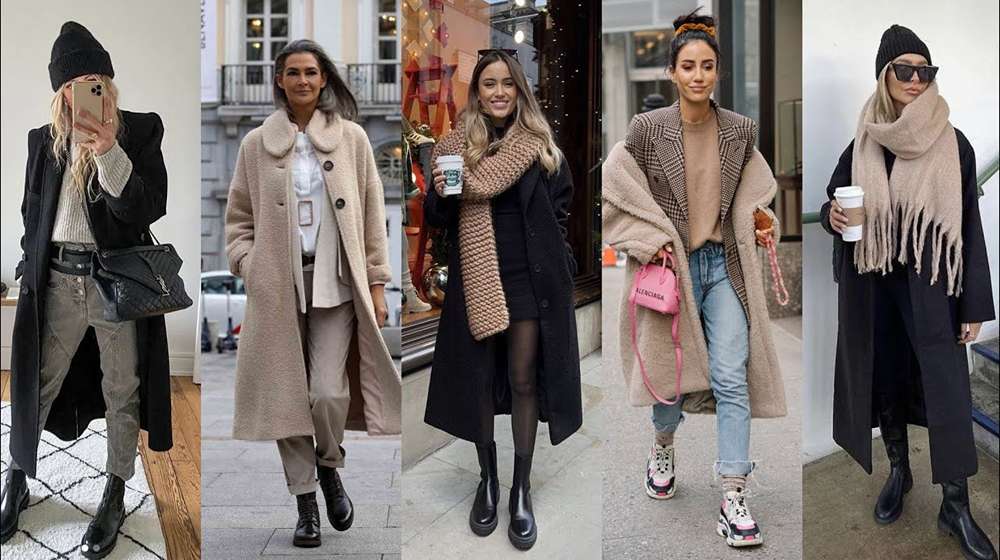
Brunch outfits sit in a narrow sweet spot: relaxed enough for a long meal, polished enough to photograph well. In cold weather you also have to balance warmth with an outfit that still looks intentional when the coat comes off.
Our winter brunch outfit ideas guide offers 11 complete looks, plus advice on fabrics, coats and regional styles.
It also helps if you are wondering what to wear to a brunch with a dress code that is never stated. Smart casual is the safe answer, and the guide shows how to do it. It is the brunch companion to this occasion wear guide.
Engagement Photo Sessions
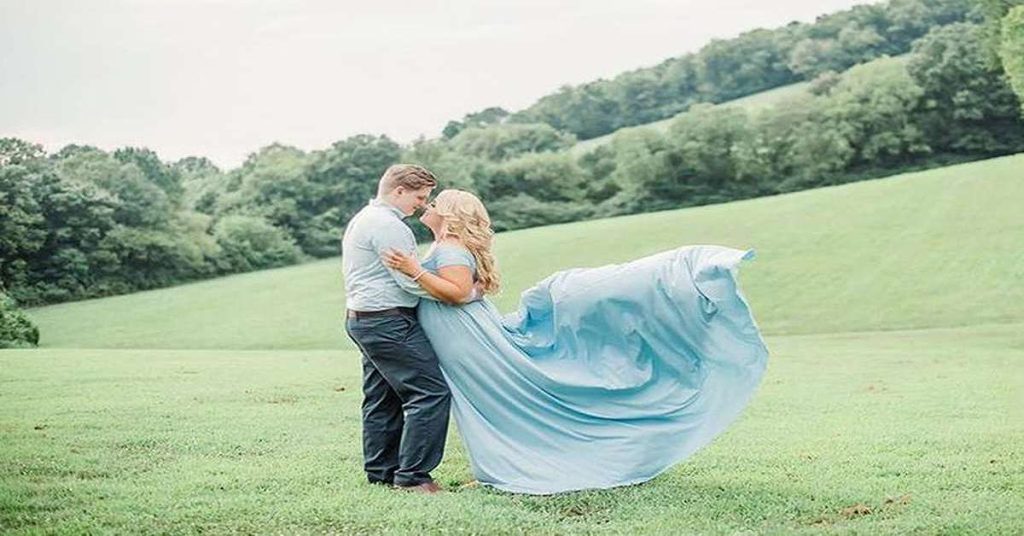
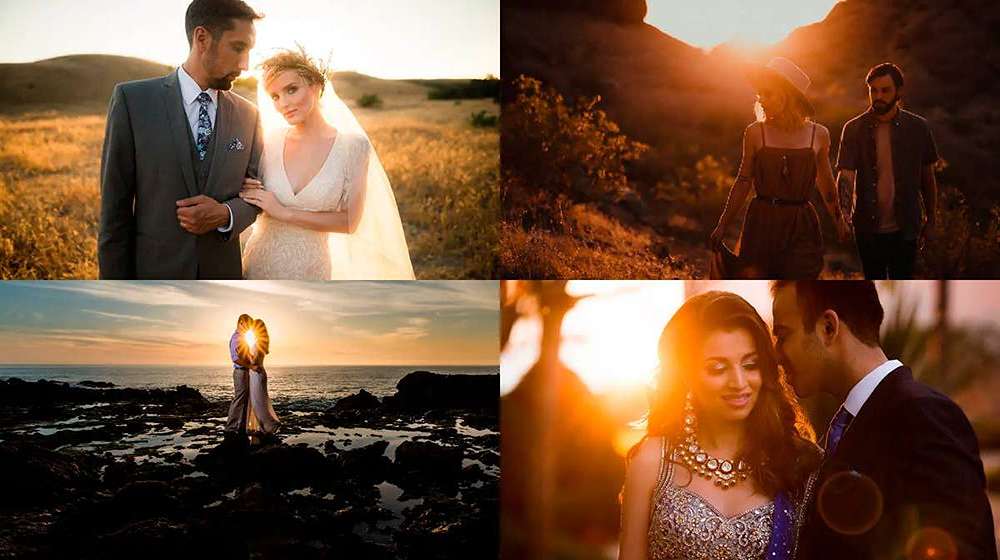
An engagement shoot is one of the few events where the outfit’s main job is to photograph beautifully, often across several locations in one session. You also have to coordinate with your partner, since you will appear together in almost every frame.
Our casual engagement photo outfits guide covers colors, fabrics and layering for spring sessions. For engagement photo ideas outdoor locations such as flower fields, beaches and gardens work best, and the guide shows what to wear at each one. It is the engagement companion to this occasion wear guide.
Christenings
Christenings carry more tradition and expectation than most events, and the right choice often varies by region and family custom.
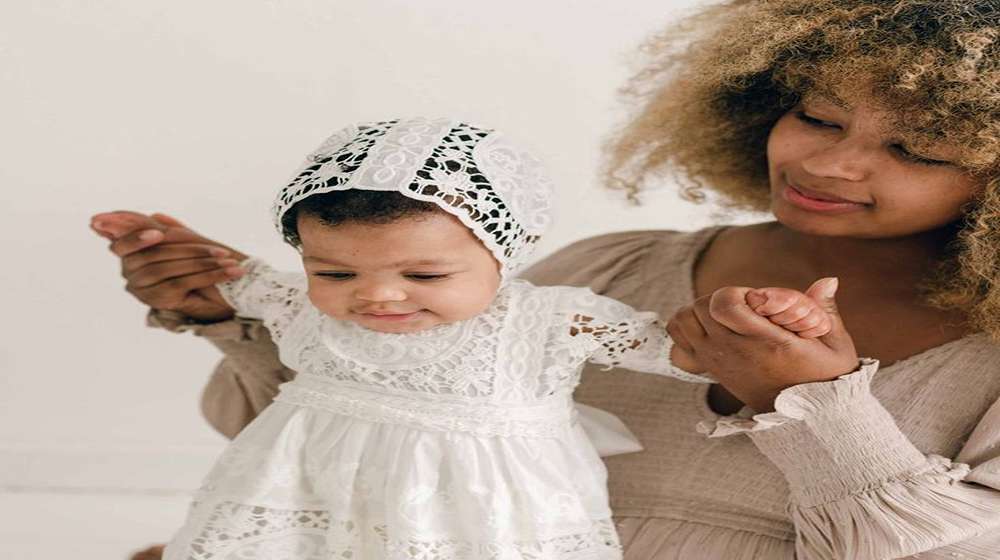
Our christening dresses for girls guide focuses on UK styles. Christening godmother dresses and guest outfits are covered in the next section. It covers breathable fabrics, how dress length changes with a baby’s age, whether ivory or white is acceptable, and what to expect across seasons and budgets.
Christening Godmother Dresses and Guest Outfits
Guests and godparents dress for a christening too, and the same rules apply. Christening godmother dresses should look polished without competing with the baby’s gown, so soft, muted colors usually work better than bright white or bold patterns. The color and comfort rules in this occasion wear guide apply here too.
Choose a knee length or midi dress in a comfortable fabric, because you may be holding the baby. Keep jewelry simple and avoid brooches or dangling pieces near a child. Flat or low heels make a long day easier.
Dresses and Formal Events
If you are shopping for a dress rather than planning around one event, our dresses for special occasions guide explains every dress code, season by season picks and how to build a small capsule of dresses for the year. Think of it as the companion to this occasion wear guide for anyone shopping for a dress.
It also helps with formal dinner outfits. Most formal dinners short of black tie call for a tailored dress or dressy separates in an elevated fabric such as silk, crepe or fine wool, with polished shoes and refined jewelry.
Occasion Wear Market 2026
Occasion wear is a large and steadily growing part of fashion, and two sourced figures show the direction.
According to Verified Market Research, the global occasionwear market is valued at about $29.4 billion in 2025 and is forecast to reach about $46.6 billion by 2033, a growth rate near 5.9 percent a year.
Resale is growing too. ThredUp’s 14th annual Resale Report, conducted by GlobalData, projects the global secondhand apparel market will reach $393 billion by 2030, roughly 10 percent of total apparel spend.
For one time events, buying secondhand or renting can be a practical way to wear something special without a full price purchase.
Market sizes vary widely between research firms because each defines the category differently, so treat any single number as directional. For anyone using this occasion wear guide, the takeaway is steady, lasting demand.
For shoppers the result is more choice and more price points, but also more noise, which is why a clear process matters.
Common Mistakes to Avoid When Choosing Occasion Wear
A good occasion wear guide also warns you about the repeat errors below.
- Judging an outfit only while standing still, instead of sitting, walking and raising your arms.
- Ignoring the venue’s real conditions, such as grass that rules out certain heels or strong air conditioning indoors.
- Leaning on a trend that will look dated in photographs within a few years.
- Matching other people too literally, which often looks like a costume.
- Underestimating how long you will wear the outfit, since a three hour brunch is very different from a quick errand.
- Forgetting the group, because a bold pattern that looks great alone can dominate a group photo.
- Skipping a trial run for new shoes or unfamiliar fabrics.
Frequently Asked Questions
What is occasion wear?
Occasion wear is clothing chosen for a specific event, such as a brunch, a photo session or a ceremony, rather than for everyday use. In this occasion wear guide the term covers all three. It balances formality, comfort and how well the outfit photographs.
What to wear to a brunch in winter when the dress code is unknown?
Aim for smart casual: a well fitted sweater or blouse, tailored trousers or a midi skirt, and a coat you are happy to remove indoors. It works for both casual cafes and upscale hotel restaurants.
Should engagement photo outfits match exactly?
No. Coordinate colors and formality instead. A shared palette, such as neutrals with one common accent, looks more natural than identical pieces.
What fabrics work best for a christening dress?
Soft, breathable fabrics like cotton or a cotton blend usually work best for a long day of handling and photographs. Heavy or stiff fabrics can be uncomfortable for a young child.
Is it better to be overdressed or underdressed?
Slightly overdressed is almost always safer, which is the advice behind Rule 4 of this occasion wear guide. You can remove a layer or dress down small details, but you cannot easily compensate for being underdressed.
What should I wear to a formal dinner that is not black tie?
Most formal dinner outfits at this level call for a tailored dress or dressy separates in an elevated fabric, with polished shoes and minimal jewelry. Save the boldest trends for lower key events.
What colors photograph best for outdoor events?
Muted, natural tones such as soft green, warm neutral and dusty blue blend with outdoor backdrops without competing with the scenery. Neon shades draw attention away from the people.
Which christening godmother dresses work best?
Choose a knee length or midi dress in a soft, muted color and comfortable shoes. Avoid bright white and bold patterns that compete with the baby’s gown, and keep jewelry simple.
Final Thoughts
Occasion wear feels harder than everyday dressing because one outfit has to deliver comfort, photographs, formality and often coordination with other people. The solution is a repeatable process, not a bigger wardrobe, and that process is what this occasion wear guide gives you.
Start with the seven rules in this occasion wear guide, then open the guide for your event for fabrics, colors and styling details. Check the setting, plan for the whole day, and dress one notch above your first guess.
Need ideas for the next invitation? Browse our latest style guides, and bookmark this occasion wear guide as your starting point for every special event.