
Dresses for Special Occasions | Ultimate 2026 Guide
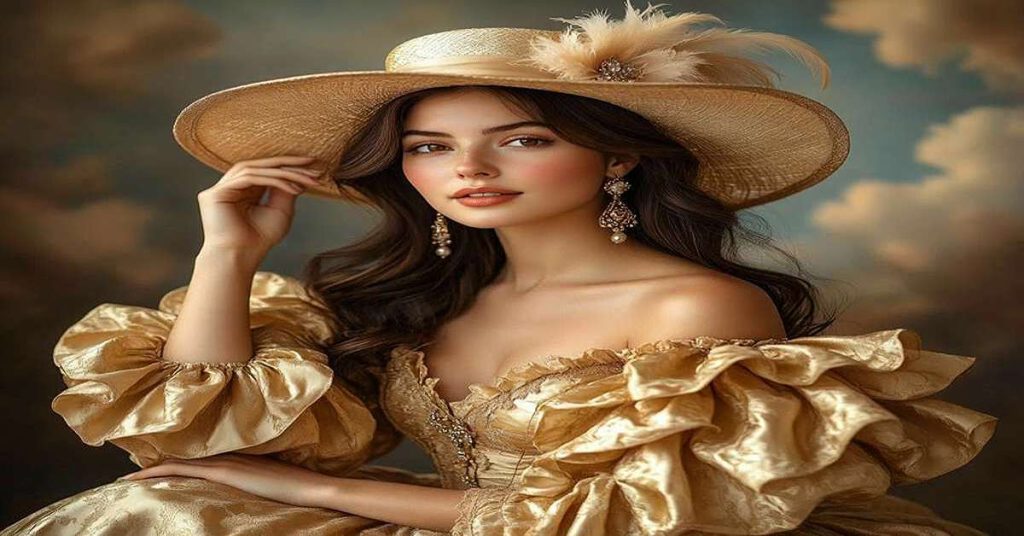
Choosing dresses for special occasions gets stressful when the event is close and nothing in your closet fits the moment. A wedding, a work gala and a baby shower each ask for something different, yet the invitation rarely explains what.
This guide gives you a repeatable method instead of a guessing game. You will learn how to read a dress code, match fabric to the season, and decide what to wear for formal events even when the host stays silent.
Along the way you will find women’s special occasion outfits sorted by formality, a seasonal playbook, a capsule wardrobe plan, and one sourced market figure that shows why event apparel keeps growing. New here? Our About Us page explains how we build these guides.
Table of Contents
ToggleWhat Occasion Wear Means Today
Occasion wear once meant one thing: a gown, heels and a full evening look, whatever the event. That rule has relaxed a great deal.
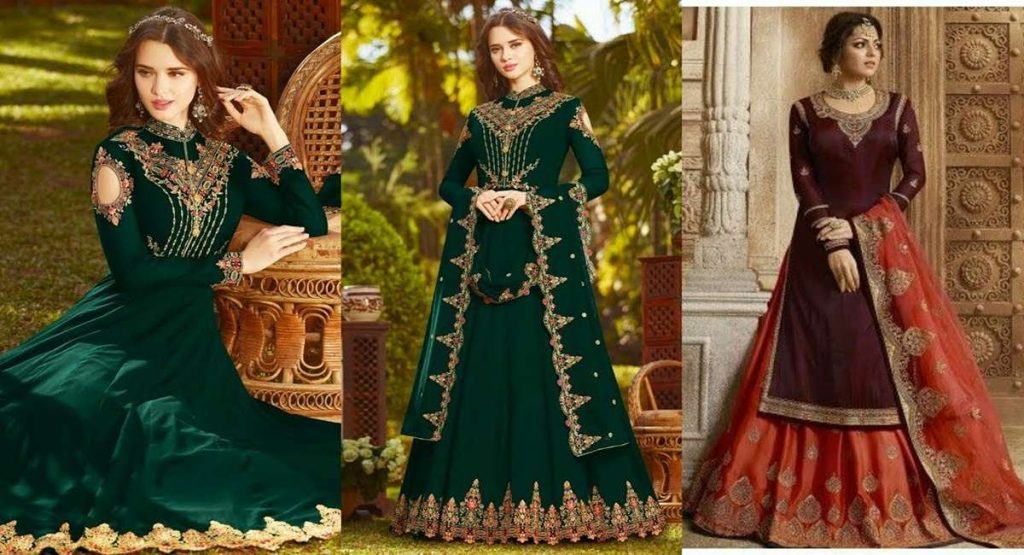
Today, dresses for special occasions range from an elevated sundress at a daytime shower to a floor length gown at a gala. Most invitations land somewhere between those two points.
So the useful question changes. Instead of asking whether a dress is dressy enough, ask whether it suits the tone of the event. A polished midi works at a garden engagement party but looks underdressed at a hotel dinner.
For the relaxed end of the scale, our winter brunch outfit guide shows how casual dressing can still look deliberate. For the wider picture across event types, read our occasion wear guide.
Every strong occasion outfit shares one trait: it looks chosen, not accidental. Even a simple silhouette reads as intentional when fabric, fit and accessories agree.
How to Choose Dresses for Special Occasions
Scrolling until something feels right burns hours and often ends in a last minute scramble. A short checklist is faster and far more reliable. Use it every time you shop for dresses for special occasions.
Start with the venue, not the dress
Picture the actual space before you open your wardrobe. A rooftop reception, a church hall and a hotel ballroom each call for a different dress length, weight and shoe.
Match the fabric to the season and the Room
Heavy fabrics overheat you in a crowded summer venue. Thin fabrics can look flimsy in a cold, formal winter room. Choose for the temperature inside the building, not only the forecast outside.
Choose a silhouette that survives a full evening
Sit down in the dress before you buy it. Raise your arms, take a few steps, and imagine dancing. If it only looks good standing still, it will let you down within the first hour.
Use a simple four step method to dress for events
- Confirm the dress code and the real formality of the venue.
- Pick a fabric that suits the season and the indoor temperature.
- Choose a silhouette you can sit, stand and move in without constant adjusting.
- Add one statement detail, then stop, so nothing competes for attention.
The method works for a formal dinner and for a personal event such as a photo session, where the outfit must also look good in natural light. Only the formality dial changes.
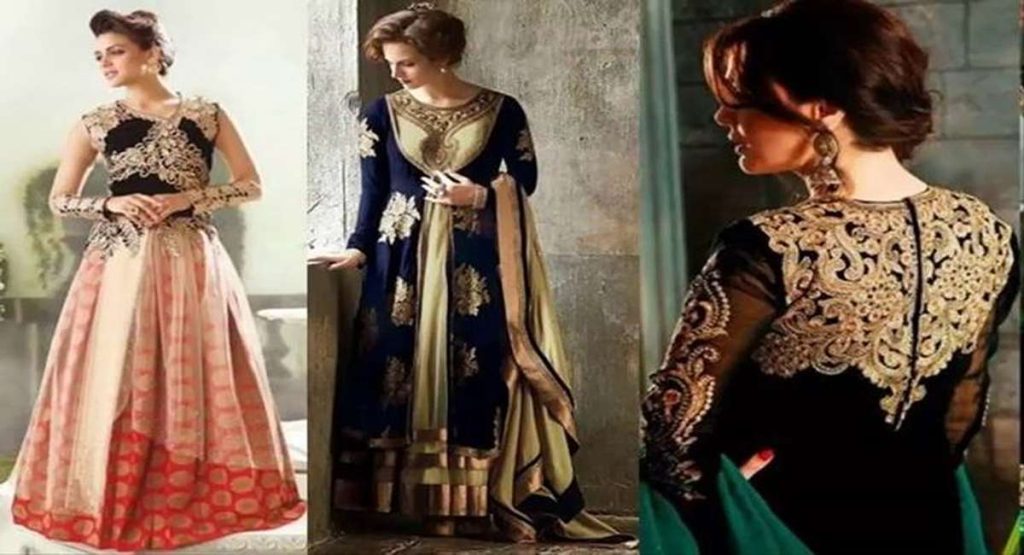
Women's Special Occasion Outfits by Dress Code
Invitations rarely explain their own dress codes. Here is a plain breakdown of what each one asks for when you shop for dresses for special occasions, so you are never guessing the night before.
Casual occasion wear
Think daytime showers, relaxed birthday lunches and casual engagement parties. The best dresses for special occasions at this level are a sundress, a knit midi or tailored separates. Keep accessories simple and shoes comfortable.
Planning an outdoor photo session instead? Our casual engagement photo outfits guide covers colour and layering for the camera.
Smart casual
This sits one step above casual. A shirt dress, a wrap dress, or a blouse with a skirt all qualify. Add a blazer if the venue feels upscale.
Cocktail attire
Cocktail attire is among the most requested and most misunderstood dress codes. According to The Knot’s cocktail attire guide, it generally means a knee length or midi dress in a refined fabric, worn with heels and polished jewelry.
Formal cocktail attire and elevated cocktail attire
What is formal cocktail attire? Think of it as the dressier end of the same code: a shorter, simpler cousin of a formal gown, cut from a richer fabric with a more finished look.
Elevated cocktail attire describes the same upgrade. Choose silk, satin or velvet instead of a plain after work dress, and let one detail, such as a neckline or earrings, do the talking.

Formal and black tie
Black tie sits at the top of the ladder. Expect a floor length gown or an equally formal evening dress, rich fabrics, and polished hair and makeup. Keep the look classic and save bold trends for lighter events.
Black tie optional
This phrase confuses more guests than any other. A full gown is welcome but not required. A dressy midi or tea length dress in an elevated fabric is a safe, appropriate middle ground.
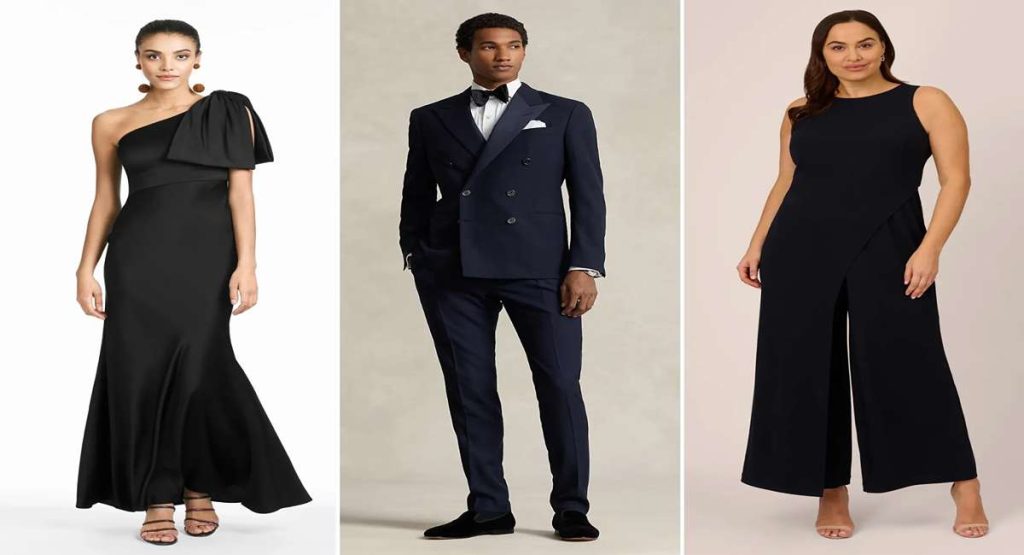
What to Wear for Formal Events When the Invite is Silent
Many invitations skip the dress code entirely, and that is where most people stall. Four quick signals fill the gap.
Time of day. Evening events read more formal than daytime ones, even at the same venue.
Venue. A hotel ballroom or private club leans formal by default. A garden or backyard leans relaxed.
Texture. Matte cotton and jersey read casual. Satin, velvet and structured brocade signal formality even in a similar colour and cut. Formal outfit ideas built around texture also age better than those built on colour alone, because colour trends move faster than fabric weight.
Colour. Shades that suit your undertone look more polished in person and in photos. Stitch Fix’s skin tone guide helps you work out whether you lean warm or cool.
When you remain unsure, dress one notch above your guess. Removing a blazer or swapping heels for flats takes seconds. Fixing an underdressed outfit after you arrive is far harder.
Short on time? Accessories close the gap, and they let one of your dresses for special occasions work at a higher level. A structured clutch, polished heels and one statement jewelry piece lift a simple dress into formal territory. Change three accessories, not the whole outfit.
Finding a Dress for an Occasion, Season by Season
Finding a dress for an occasion means thinking about the calendar as well as the dress code. Season changes fabric, palette and how long you can stay comfortable, so dresses for special occasions should shift with the weather.
Spring and summer
Choose breathable fabrics such as cotton, linen and lightweight crepe. Bright shades and pastels both look good in daylight. If your event is somewhere truly hot, our Dubai summer style guide shows how to stay elegant without overheating.
Fall and winter
Cooler months favour fabrics that layer well, such as fine knit jersey, velvet and lightweight wool. Deep jewel tones and warm neutrals suit the low, golden light of the season.
Transitional months
Early spring and early autumn are the trickiest. Mornings and evenings can differ by many degrees. A light coat or wrap keeps you comfortable and keeps the outfit looking complete.
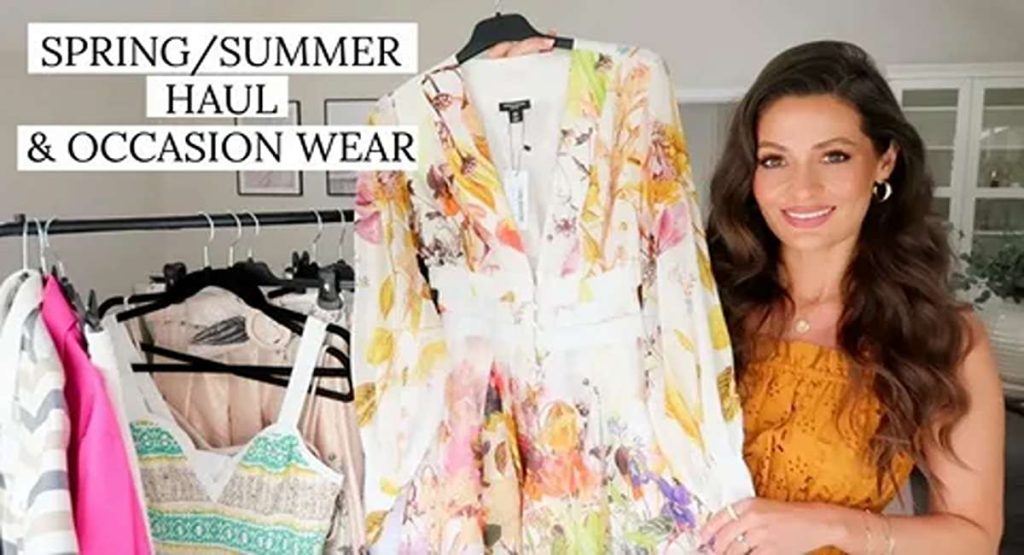
What to wear to a baby shower
Wondering what to wear to a baby shower? Treat it as casual occasion wear. A sundress, a knit midi or tailored separates in a soft colour all work well.
Keep accessories simple and choose shoes you can stand and sit in for several hours. Dressing a little girl for a christening instead? Our christening dresses guide covers fabrics that last through a long day.
Building a Capsule of Dresses for Special Occasions
You do not need a new dress for every event. A small, well chosen set of women’s dresses for special occasions can cover most of the year.
Start with two anchor dresses
Pick one dark, versatile dress, such as navy or black, for evening and formal events. Pick a second in a light neutral or soft colour for daytime. Together they cover most invitations.
Add accessories that shift the formality
A structured blazer, statement earrings and one elevated clutch can push a dress up or down the formality scale. That costs far less than a new outfit each time.
Break in your shoes
Keep one comfortable heel and one polished flat in rotation. Wear both at home before any important event, never for the first time on the day.
A capsule also supports more sustainable shopping. Dresses for special occasions do not have to be single use purchases. Fewer, better pieces reduce waste and usually save money across a year of dresses for special occasions.
Occasion Wear Market 2026
Occasion dressing is a large and steadily growing part of fashion. According to Verified Market Research, the global occasionwear market is valued at about $29.4 billion in 2025 and is forecast to reach about $46.6 billion by 2033, a growth rate near 5.9 percent a year.
Market sizes for formal wear and women’s dresses vary widely between research firms because each defines the category differently.
Treat any single figure as directional. The consistent signal is steady demand for dresses for special occasions, driven by weddings, galas and formal social events.
For shoppers, that means more choice, more price points and more size inclusive options than a decade ago. It also means more noise, which is why a clear process matters.
Mistakes That Spoil a Great Outfit
A few small errors appear again and again when people pick dresses for special occasions. All are easy to fix once you know them.
- Judging an outfit only while standing still, without sitting or walking in it.
- Ignoring the venue’s real conditions, such as grass, gravel or strong air conditioning.
- Leaning on a trend that will look dated in future photographs.
- Matching a partner or group too literally, which often looks like a costume.
- Skipping a trial run for new shoes or an unfamiliar fabric.
A five minute walk around your living room catches most of these before you leave the house.
Frequently Asked Questions
Can I wear black to a daytime event?
Yes, in most modern settings. A lighter fabric or a printed accessory stops head to toe black from feeling heavy in daylight.
How much should I spend on dresses for special occasions?
It depends on the event and your budget. A well made dress in a versatile colour gets worn many times, which improves the cost per wear.
Can one of my dresses for special occasions work for different events?
Often, yes. A neutral midi can move from a daytime shower to an evening dinner with a change of shoes and accessories.
What if two invitations list different dress codes in the same week?
Treat each event separately. Reusing one outfit across mismatched codes usually shows, especially in photos taken close together.
Are prints acceptable at formal events?
Small, subtle prints can work. Bold or busy prints read less formal and can date quickly in photographs.
How far ahead should I buy?
Aim for at least two to three weeks before the event. That leaves time for alterations, a backup option and a trial run at home.
What should I wear to a baby shower?
Among dresses for special occasions, a sundress, a knit midi or tailored separates in a soft shade suit a shower best, with simple accessories and comfortable shoes.
What if the event follows a culture or tradition I do not know?
Ask the host or a friend attending. It is a normal question and helps you avoid clashing with local customs.
Should my jewelry change between day and evening?
Generally, yes. Daytime suits smaller, understated pieces, while evening events can carry bolder, more reflective jewelry.
Final Thoughts
Choosing dresses for special occasions gets easier once you stop treating every invitation as a new problem. Match the venue, respect the season, and dress one notch above the expected level when unsure.
That framework for dresses for special occasions covers almost any event this year, from a casual brunch to a black tie gala.
If you remember one distinction, make it the difference between formal cocktail attire and standard cocktail dress. It prevents more wardrobe panic than any other tip here.
Ready for your next outfit? Browse our latest blogs for fresh seasonal ideas, or return to our homepage for more event guides. Bookmark this page for dresses for special occasions and share it with a friend who dreads her next invitation.