
Summer Ready Sustainable Fashion | A Complete Guide for 2026
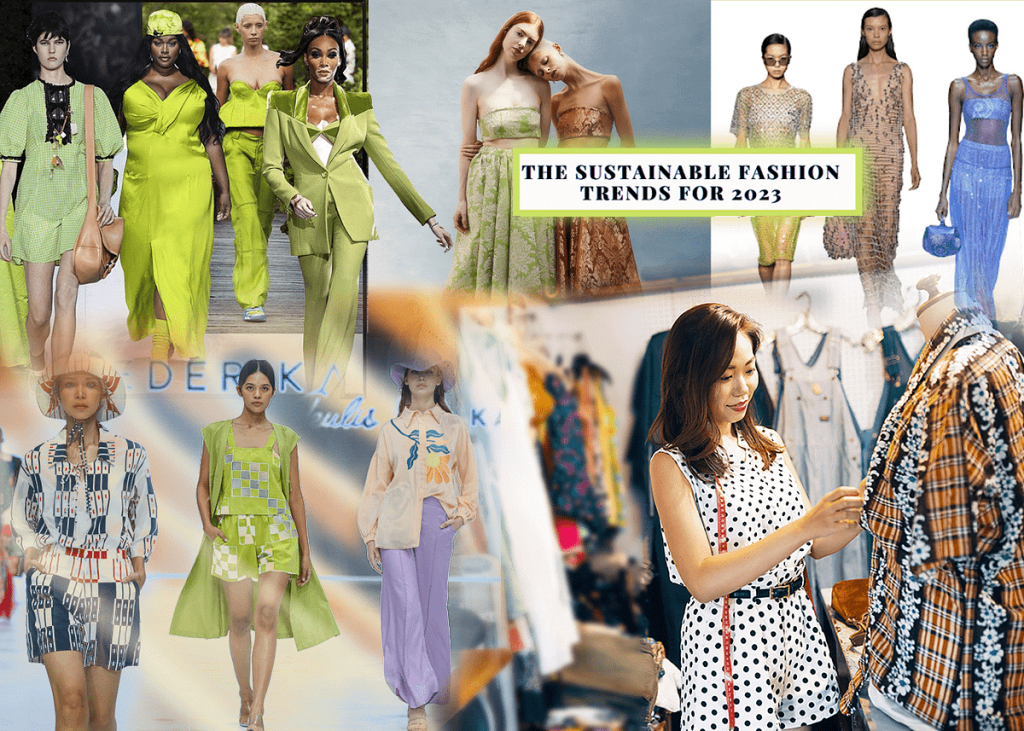
Summer ready sustainable fashion is no longer a niche interest, it’s becoming the default way many shoppers approach warm-weather dressing. As the fashion industry faces growing scrutiny over its environmental footprint, more people are choosing pieces that hold up season after season instead of restocking their wardrobe every few months. This guide covers the fabrics worth buying, the trends actually backed by data, and practical steps for building a summer-ready sustainable wardrobe that doesn’t fall apart, literally or ethically, by August.
You can read more about the approach behind this guide on our About page.
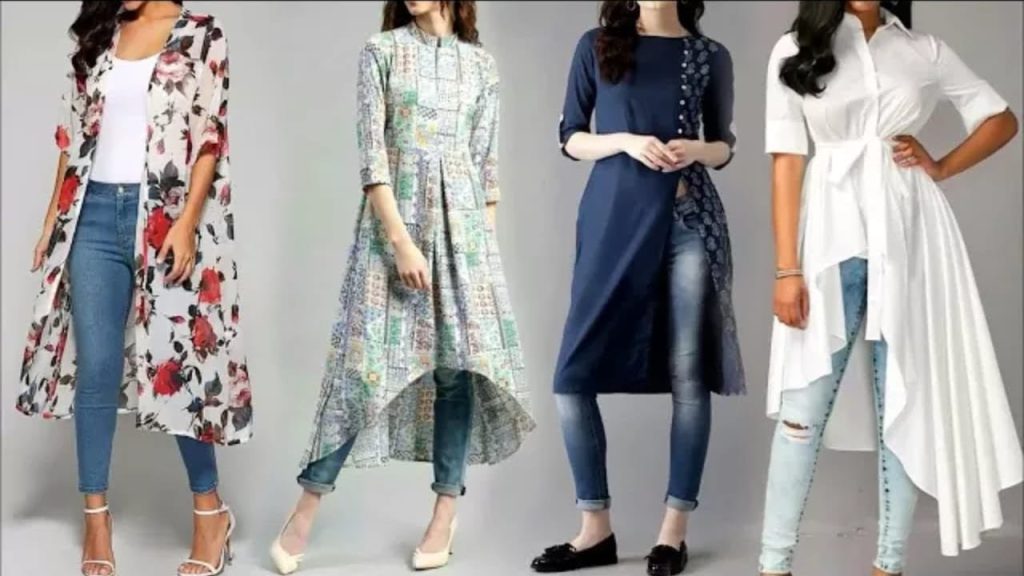
Table of Contents
- Why Summer Ready Sustainable Fashion Matters
- What’s Actually Driving Demand in 2026
- Best Fabrics for Warm-Weather Wear
- A Smarter Shopping Checklist
- Building a Capsule | Outfit Ideas That Actually Get Worn
- Choosing Dresses That Last
- Women’s Styling | Practical Warm-Weather Combinations
- Men’s Styling | Practical Warm-Weather Combinations
- Accessories Worth the Investment
- The Environmental Cost of Getting This Wrong
- Where to Shop Responsibly
- Frequently Asked Questions
- Conclusion
Why Summer Ready Sustainable Fashion Matters
Warm weather tends to drive the highest volume of impulse clothing purchases each year, which makes summer one of the most wasteful seasons in fashion if approached carelessly. Three habits separate a genuinely sustainable summer wardrobe from one that just uses the label.
- Buying fewer, better pieces. A well-made linen shirt worn for five summers beats five poorly made ones worn for a season each.
- Checking the supply chain. Brands with third-party certifications “GOTS for organic cotton, Fair Trade Certified, OEKO-TEX” are held to audited labor and chemical-safety standards, not just marketing claims.
- Choosing designs that outlast trends. Simple, well-cut silhouettes in neutral or natural tones stay wearable long after a seasonal micro-trend fades.
What's Actually Driving Demand in 2026
The scale of the problem is well documented. The fashion and textile sector is responsible for an estimated 2 to 8 percent of global greenhouse gas emissions, and less than 1 percent of clothing collected for reuse is turned into new garments, the rest is downcycled, incinerated, or landfilled, according to research from the Ellen MacArthur Foundation. That gap between how much clothing is produced and how little is actually recovered is a large part of why resale, rental, and durable-design brands have grown so quickly over the past few years.
Four shifts are shaping the current market:
- Resale and rental platforms are growing faster than the overall apparel market, driven by shoppers who want variety without buying new.
- Certifications are becoming a real purchase filter, shoppers increasingly check for GOTS, Fair Trade, or OEKO-TEX labels rather than taking a brand’s word for it.
- Fabric innovation is accelerating, especially in lyocell and recycled synthetics that reduce water and chemical use versus conventional processing.
- Brand transparency reports (supply chain maps, factory lists, emissions disclosures) are increasingly expected, not optional.
For ongoing coverage of these shifts, see our latest sustainability reporting.
Best Fabrics for Summer Ready Sustainable Fashion
Not every fabric marketed as eco-friendly performs well in heat, and not every breathable fabric is low-impact to produce. Here’s how the most common eco-friendly summer clothing fabrics compare:
Fabric | Why it works in summer | Care note |
Organic cotton | Breathable, soft, grown without synthetic pesticides | Machine washable, shrinks slightly on first wash |
Linen | Highly breathable with natural moisture-wicking; softens with age | Best line-dried; embrace the natural wrinkle |
TENCEL™ Lyocell | Made from wood pulp in a closed-loop process that reuses solvents | Cool hand-feel, drapes well, wash cold |
Hemp | Durable, antimicrobial, needs little water or pesticide to grow | Softens significantly after repeated washing |
Bamboo lyocell | Moisture-wicking and cooling against skin | Check for closed-loop processing, not viscose |
Worth avoiding: virgin polyester and nylon. Both trap heat against the skin, shed microplastics with every wash, and are made from fossil fuels. If a synthetic is unavoidable, swimwear is a common case, look for recycled polyester “rPET” made from post-consumer plastic rather than virgin material.
A Smarter Shopping Checklist
These sustainable fashion tips apply whether you’re building a capsule wardrobe from scratch or just replacing a few worn-out pieces. Before adding anything to your cart, run it through a short filter:
- Does it have a recognized certification “GOTS, Fair Trade, OEKO-TEX, B Corp”, or just a vague “eco” label?
- Can you picture wearing it in at least two different ways or seasons?
- Does the brand publish where and how the item is made?
- Is the price low enough that the brand likely cut corners somewhere in the supply chain to hit it?
If a piece fails more than one of these, it’s worth pausing before buying, regardless of how the marketing describes it.
Building a Capsule | Outfit Ideas That Actually Get Worn
The most sustainable outfit is one you’ll reach for repeatedly. A few combinations that hold up across a full summer:
- Linen button-down + organic cotton wide-leg trousers, dresses up or down depending on shoes and accessories.
- Midi slip dress in TENCEL™, transitions from daytime to dinner with a layer swap.
- Hemp shorts + lightweight cotton tank, a warm-weather basic that works for years, not one season.
- Two-piece linen set, pieces can be worn separately, which effectively doubles the outfit combinations from one purchase.
Choosing Dresses That Last
Dresses tend to be the most impulse-driven summer purchase, so it’s worth being deliberate. Prioritize:
- Neutral or muted tones that pair easily with existing pieces, rather than a print you’ll tire of by next year.
- Classic cuts “wrap, shirt-dress, slip” that don’t read as tied to a specific micro-trend.
- Reinforced seams and quality stitching, check the inside seams before buying, not just the outside.

Women's Styling | Practical Warm-Weather Combinations
Building an ethical summer wardrobe doesn’t mean giving up variety. Breathable natural fibers and loose, air-permeable cuts do most of the work here.
- Organic cotton top + linen skirt for an easy daytime look.
- A single well-cut flowy dress that needs no styling effort on high-heat days.
- Lightweight layering pieces “a linen shirt over a slip dress” for air-conditioned offices or cooler evenings.
For dressing in especially high heat, our guide to what to wear in Dubai during summer covers breathable, practical styling for extreme temperatures.
Men's Styling | Practical Warm-Weather Combinations
Minimalism works in men’s sustainable summer dressing, fewer, well-fitting pieces in breathable fabric go further than a large rotation of fast-fashion basics.
- Linen shirts, worn open or buttoned, for maximum airflow.
- Organic cotton t-shirts as a durable daily-wear base layer.
- Lightweight, unlined trousers or shorts in cotton or linen blends.
Accessories Worth the Investment
Accessories are often overlooked in sustainability conversations, but they carry the same production and disposal impact as clothing.
- Bags made from recycled or deadstock materials rather than virgin leather or plastic.
- Jewelry from recycled metals or traceable, small-batch sourcing.
- Sunglasses with bio-based or recycled acetate frames.
- Natural-fiber hats “straw, raffia” that biodegrade at end of life, unlike synthetic-blend versions.
Quick filter. Look for recycled or biodegradable materials, ethical production claims you can verify, and minimal packaging. Skip anything priced to be disposable, that’s usually a sign it was made to be.
The Environmental Cost of Getting This Wrong
The numbers behind fast summer fashion are stark. Between 2000 and 2015, global clothing production roughly doubled while the average number of times a garment is worn before being discarded fell by around 36 percent, per Ellen MacArthur Foundation research. More recent estimates put global textile collection rates for reuse or recycling at well under 20 percent in most markets, meaning the large majority of discarded clothing is landfilled or incinerated.
Choosing durable, well-made pieces over disposable ones has a direct effect on that math:
- Lower per-wear carbon and water footprint, since impact is spread across more uses.
- Less demand for virgin synthetic fiber, which is fossil-fuel derived.
- Reduced pressure on landfill and incineration capacity, particularly in the markets that receive exported used clothing.
Where to Shop Responsibly
A few categories worth prioritizing when building or refreshing a summer wardrobe:
- Independent ethical fashion brands with published supply chain information.
- Established resale platforms for pre-owned pieces in good condition.
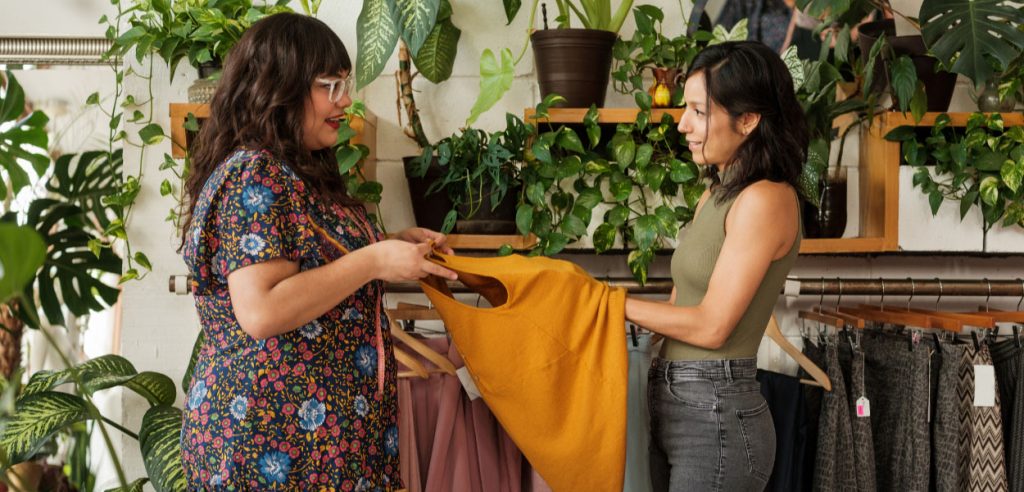
- Local thrift and consignment stores, which carry zero new-production footprint.
- Clothing rental services for one-off occasions where you don’t need permanent ownership.
Explore our full directory of vetted resources for brand recommendations and seasonal picks.
Frequently Asked Questions
What actually makes summer clothing sustainable?
There’s no single certifying standard, but the strongest signals are: natural or responsibly processed fibers “organic cotton, linen, TENCEL™, hemp”, verifiable ethical labor practices, and construction quality that supports multiple years of wear rather than a single season.
Is it more expensive than fast fashion?
Usually yes per item, but often cheaper per wear. A €60 linen shirt worn 100 times costs 60 cents per wear; a €15 fast-fashion shirt worn 8 times before it degrades costs almost double that per wear, before factoring in the environmental cost of replacing it.
What’s the single easiest change to make first?
Slow down the buying cycle. Before any summer purchase, ask whether you’d still want it in two years, that one filter removes most impulse, low-quality buys without requiring any research into fabrics or certifications.
Conclusion
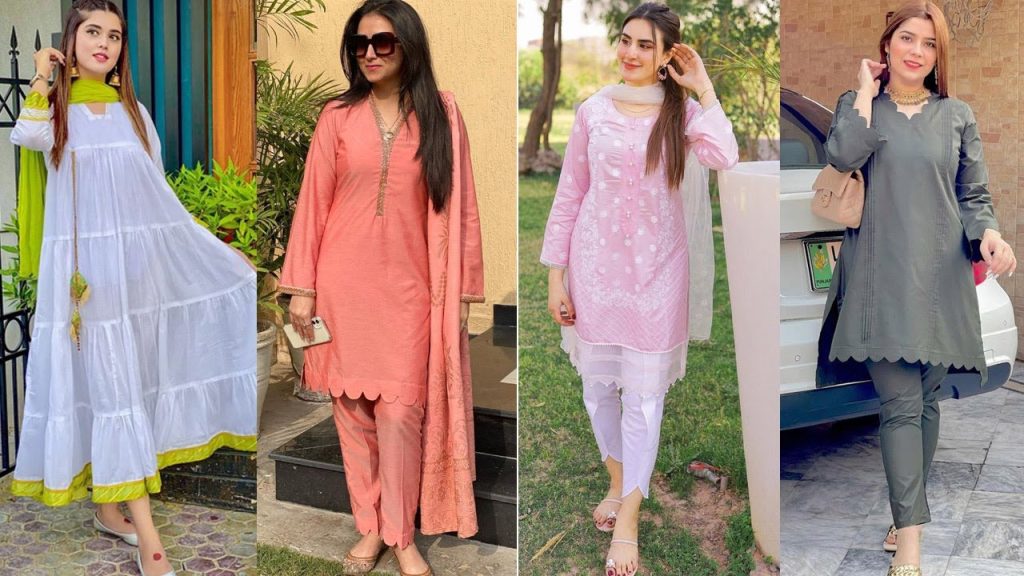
Genuinely summer ready sustainable fashion isn’t built from a single perfect purchase, it’s the accumulation of better fabric choices, more durable construction, and fewer impulse buys across a season. The pieces above are a starting point, not a finished checklist: the goal is a wardrobe that still looks and fits right well after the trends that inspired it have moved on.