Sustainable Summer Fashion | The Complete US Guide to Building a Wardrobe That Lasts
1. What Is Sustainable Fashion, and Why Does It Matter This Summer
Sustainable fashion means choosing clothing that respects the people who make it, the animals involved in its materials, and the planet it’s produced on,from raw fiber through to what happens when you’re done wearing it. It’s less about a single green label and more about a full pattern of decisions: buying less, choosing better, and wearing things longer.
A conventional cotton T-shirt can use an enormous amount of water to produce, commonly cited estimates put it around 2,700 liters, roughly what one person drinks over two years. Organic and recycled alternatives cut that number substantially, though as covered below, the exact percentage claimed for organic cotton is more contested than most blogs admit.
The fashion industry overall is widely reported to account for somewhere in the 8–10% range of global carbon emissions, and textile waste piling up in landfills is a genuine, well-documented problem in the US specifically, Americans discard roughly 70–81 pounds of clothing and textiles per person each year, depending on which industry estimate you use, and only around 15% of that gets recycled. The rest sits in landfills for decades, releasing methane and leaching dyes into soil and groundwater as it breaks down.
None of this requires a wardrobe overhaul overnight. It requires better decisions made consistently, which is what the rest of this guide walks through.
Table of Contents
- What Is Sustainable Fashion, and Why Does It Matter This Summer
- The Real Environmental and Personal Case for Switching
- Certifications Worth Trusting | Greenwashing to Avoid
- Best Natural Fabrics for Summer
- Step-by-Step | Building Your Sustainable Summer Wardrobe
- Sustainable Summer Style for Women
- Sustainable Summer Style for Men
- Sustainable Clothing Brands Worth Knowing
- Affordable and Budget-Friendly Ethical Brands
- How to Care for Your Clothes So They Actually Last
- Real-Life Example: What One Wardrobe Overhaul Actually Saves
- Building Community Around Sustainable Style
- Frequently Asked Questions
- Final Thoughts
2. The Real Environmental and Personal Case for Switching
It saves money over time. Eco-friendly pieces often cost more upfront, but they’re built to survive far more washes and wears. A $90 well-made dress worn 40 times costs about $2.25 per wear; a $25 fast-fashion dress that falls apart after 4 wears costs closer to $6.25 per wear. Buying less, better, is frequently the cheaper long-term strategy, not the more expensive one.
It’s genuinely better for your skin. Conventional clothing is often finished with dyes and chemical treatments that can irritate skin, especially in summer heat and sweat. Certified organic and low-chemical processing avoids much of this.
It protects water and reduces pollution. Textile dyeing and finishing are among the more water- and chemical-intensive parts of manufacturing. Choosing durable, responsibly produced pieces reduces both water waste and downstream pollution compared to constantly replacing cheap, short-lived garments.
It supports fair labor. Millions of garment workers globally still work in conditions with low pay and limited protections. Brands with visible supply-chain transparency and fair-wage certifications are a direct, if incomplete, lever for improving that.
It tends to look better, longer. Simpler, well-made pieces in durable fabrics photograph and age better than trend-driven fast fashion, which is designed to look tired within a season.
3. Certifications Worth Trusting | Greenwashing to Avoid
Vague words like “eco-friendly” or “natural” on a label mean almost nothing without third-party verification. Look for:
- GOTS ‘Global Organic Textile Standard’ verifies organic fiber content and fair labor practices through the full supply chain
- OEKO-TEX Standard 100 confirms the finished textile is free of a defined list of harmful substances
- Fair Trade Certified confirms fair wages and safe working conditions
- B Corp Certification verifies overall social and environmental performance, not just the product
- Bluesign, focuses specifically on responsible chemical and manufacturing processes
Red flags to watch for. Vague sustainability language with no certification attached, brands that won’t disclose where or how something is made, and marketing that leans on a single flattering statistic without a source. A free, independent tool worth using is Good On You, which rates thousands of brands on labor, environmental, and animal welfare practices.
4. Best Natural Fabrics for Summer
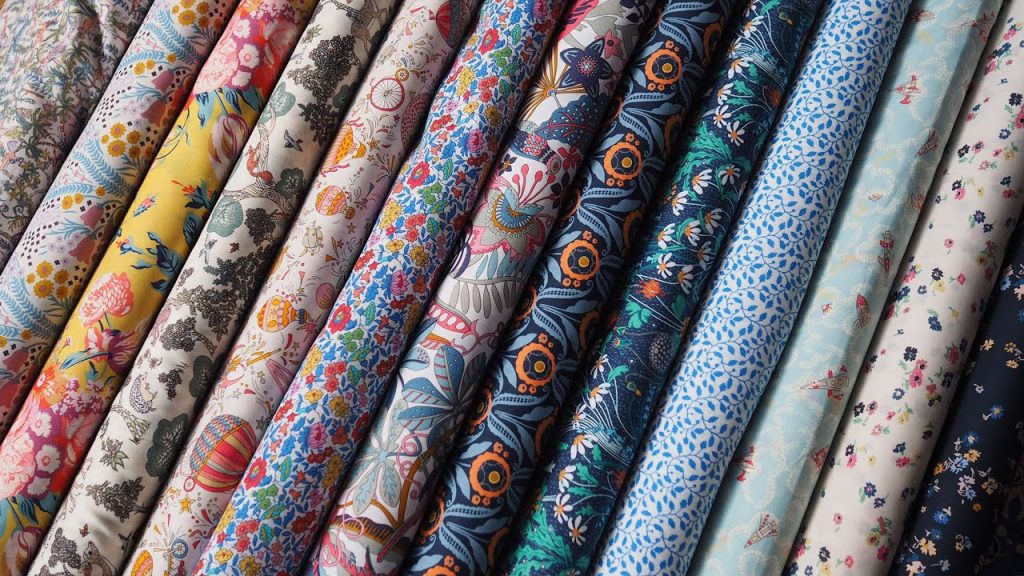
Fabric | Why It Works |
Organic linen | Breathable, biodegradable, softens with every wash |
Organic cotton | Soft, lightweight, lower chemical load than conventional cotton |
Hemp | Fast-growing, needs minimal pesticides, naturally UV-resistant |
Tencel | Lyocell | Made from wood pulp in a closed-loop process; drapes smoothly |
Bamboo blends | Naturally temperature-regulating and breathable |
Recycled polyester “rPET” | Good for activewear; made from recycled plastic rather than virgin material |
Avoid where possible: virgin polyester and nylon, which carry a heavier carbon footprint and shed more microplastics in the wash; and heavy denim, which is slow to dry and traps heat in summer conditions.
On the organic cotton water-savings claim specifically: a widely repeated figure says organic cotton uses up to 91% less water than conventional cotton. That number traces back to a real 2014 Textile Exchange life-cycle assessment, but more recent industry critiques point out the comparison pitted rainfed organic farms against irrigated conventional ones, which isn’t a clean apples-to-apples test. The directional point “organic methods generally use less irrigated water” holds up. The specific 91% figure is best treated as a widely cited but disputed number, not settled fact.
5. Step-by-Step | Building Your Sustainable Summer Wardrobe
- Audit what you already own. Sort everything into keep, donate, repair, and recycle. Most people are surprised how many gaps in their “needs” are actually already covered by something in the closet.
- Define your actual summer routine. Work, casual weekends, and travel each call for different pieces, build around your real week, not an aspirational one.
- Build a small capsule of versatile essentials:
- Lightweight cotton or linen tops
- Linen dresses
- Neutral shorts or wide-leg trousers
- Breathable basics that layer easily. For a deeper walkthrough of building this kind of capsule from scratch, see our minimalist wardrobe essentials guide
- Choose timeless over trendy. A well-cut neutral piece stays useful for years, a trend piece is often unwearable in twelve months. As a rough target, 20–30 versatile summer pieces is enough for most people to avoid both clutter and repetition.
6. Sustainable Summer Style for Women
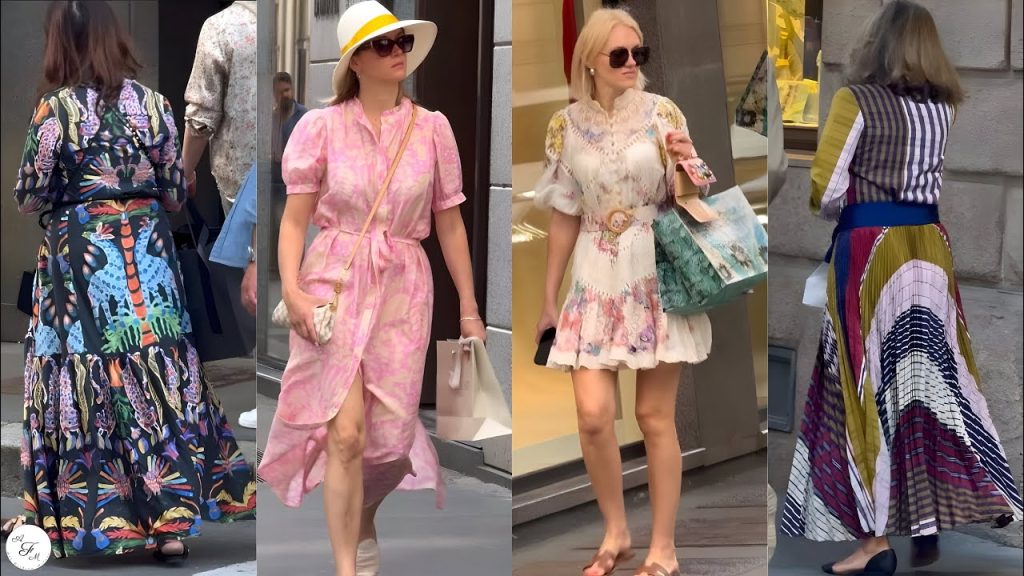
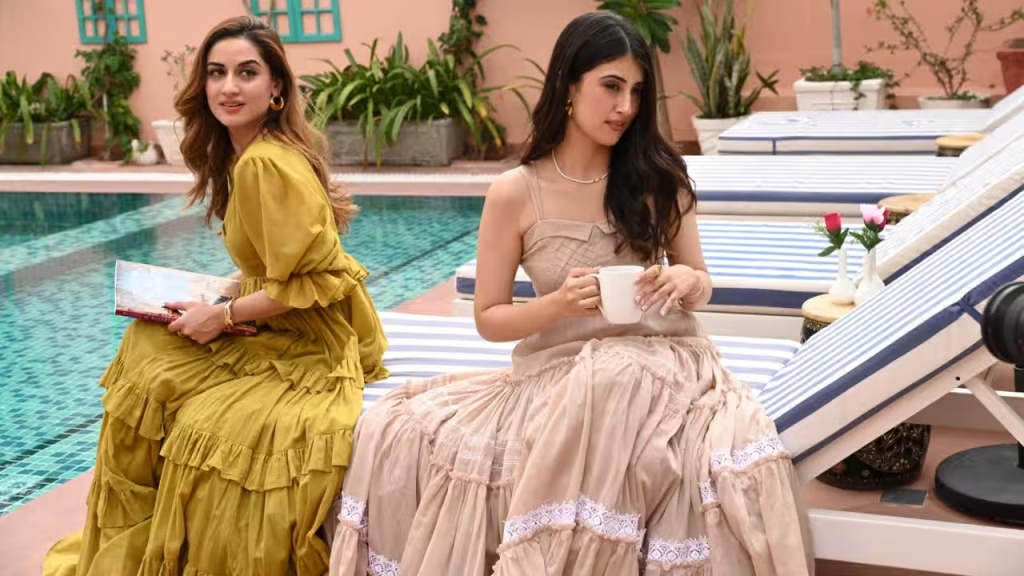
- Organic cotton sundresses. Breezy and versatile from daytime into evening
- Linen wide-leg trousers. Comfortable in heat, dressier than shorts
- Tencel wrap dresses. Flattering across body types, naturally moisture-wicking
- Hemp canvas tote bags. A practical, durable everyday accessory
- Recycled nylon swimwear. A lower-guilt option for beach and pool days
Inclusive sizing has expanded meaningfully across ethical brands in recent years, with several now offering extended ranges up to 4X without compromising on fabric or construction quality.
Season-friendly palette: terracotta and dusty rose, soft botanical prints on organic cotton, classic navy-and-white linen stripes, and earthy neutrals with a pop of matcha green.
7. Sustainable Summer Style for Men
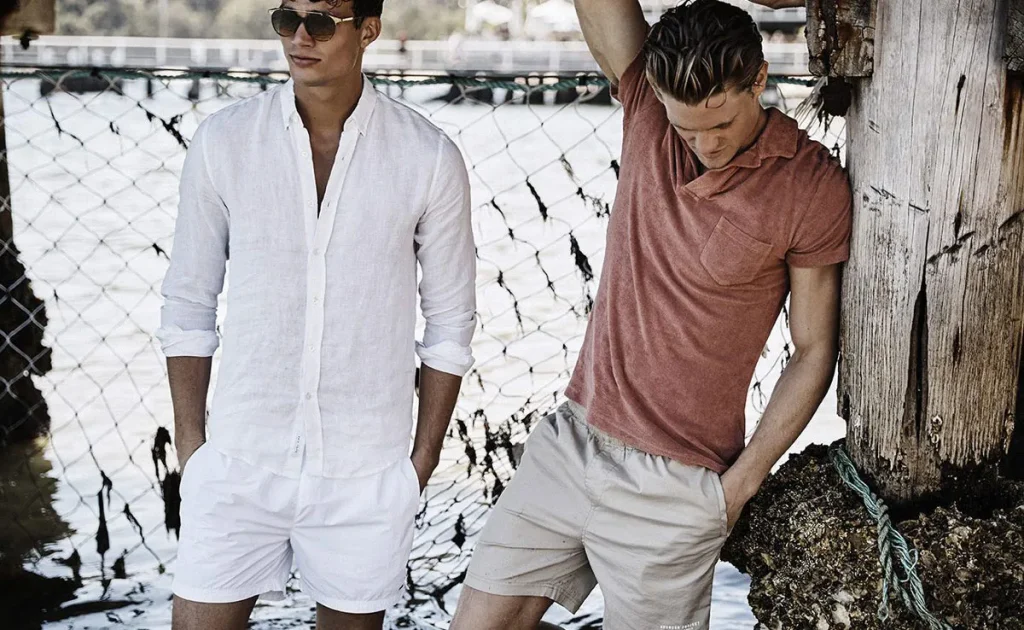
- Organic linen button-downs in sand, white, or sage, the most versatile hot-weather staple
- Recycled nylon swim shorts, practical for both beach and pool
- Hemp chino trousers, lightweight, durable, more breathable than standard cotton chinos
- Organic cotton tees in classic cuts
- Tencel joggers for casual evenings
Styling tip. Keep the palette neutral and earthy for maximum mix-and-match value. Two or three genuinely good staples, a sand linen shirt, recycled-denim shorts, hemp canvas sneakers, outperform ten forgettable ones, both stylistically and sustainably.
8. Sustainable Clothing Brands Worth Knowing
- Patagonia. Donates 1% of sales to environmental causes and publishes a detailed supply-chain report
- Eileen Fisher. Offers a take-back program; known for timeless, season-agnostic design
- Reformation. Publishes quarterly sustainability reporting on each garment’s environmental footprint
- Pact. GOTS-certified, Fair Trade, and genuinely affordable everyday basics
- Tentree. plants trees per item sold; uses organic cotton, Tencel, and recycled polyester
- Outerknown. Sustainable-fabric menswear, US-based
- Mara Hoffman — women’s designs using deadstock fabric and natural dyes
- prAna — technical, active-friendly pieces in organic and recycled materials
- Amour Vert. Plants a tree per purchase; simple, wearable women’s basics. For more brand roundups and seasonal picks, browse our latest fashion and styling tips.
9. Affordable and Budget-Friendly Ethical Brands
Sustainable fashion isn’t only for higher budgets. Worth checking:
- Pact. GOTS-certified basics starting around $15, with regular 30–40% off sales
- ThredUp. One of the largest secondhand marketplaces online; zero new production
- Quince. Factory-direct pricing brings costs well below comparable ethical brands
- Target’s Everyday Textiles. Look specifically for the Fair Trade Certified line in-store
Smart shopping habits that stretch a budget further:
- Buy secondhand first. Resale platforms regularly list higher-end sustainable pieces at a fraction of retail
- Prioritize fabric quality over brand name. Good linen from an unknown label outperforms polyester from a famous one
- Shop end-of-season sales, when sustainable brands tend to discount most heavily
- Calculate price-per-wear rather than price alone, a durable $60 piece worn 50 times beats a $15 piece worn 5 times
10. How to Care for Your Clothes So They Actually Last
Proper care is arguably the single most sustainable habit available to you, because it directly extends a garment’s life.
Washing. Use cold water most of a washing machine’s energy goes to heating water, run a short cycle for lightly worn summer clothes, and use a Guppyfriend bag for synthetic items to catch microplastics before they reach waterways.
Drying. Air dry whenever possible, sun exposure also naturally kills bacteria. If machine drying, use the lowest heat setting, since high heat is what degrades fibers fastest.
Storage. Keep linen and cotton in breathable fabric bags rather than plastic, use cedar blocks instead of chemical moth repellents, and fold knits instead of hanging them to avoid shoulder stretch.
Repair before replacing. A loose button or small tear isn’t a reason to discard a garment, basic mending or a local tailor keeps clothes in rotation and out of landfill.
11. Real-Life Example | What One Wardrobe Overhaul Actually Saves
One real case worth sharing: a professional reduced her wardrobe from roughly 80 items down to 30 versatile pieces. The result was over $1,000 saved annually, a meaningful cut in personal clothing waste, and, perhaps the most underrated benefit, mornings that were noticeably easier, since fewer, better-matched pieces removed most of the daily “what do I wear” decision fatigue.
12. Building Community Around Sustainable Style
Sustainable fashion has grown into something closer to a shared practice than an individual habit. Clothing swaps, resale and secondhand communities, and shared brand recommendations all help normalize buying less and choosing better, and they make the transition easier than doing it alone. If you want more seasonal styling ideas on top of this guide, our summer-ready sustainable fashion piece covers additional looks
13. Frequently Asked Questions
Is sustainable fashion more expensive than fast fashion? Not necessarily. Brands like Pact and Quince, plus resale platforms like ThredUp, offer genuinely affordable entry points. Sustainable pieces also tend to save money long-term because they last longer per dollar spent.
How do I know if a brand is actually sustainable, or just greenwashing? Look for real third-party certifications “GOTS, Fair Trade, OEKO-TEX, B Corp” and a visible supply-chain report. Independent tools like Good On You rate brands without relying on the brand’s own marketing claims.
What’s the best fabric for hot weather? Organic linen is generally considered the top choice, breathable, biodegradable, and it softens over time. Hemp and Tencel are strong alternatives.
Is buying secondhand better than buying new sustainable pieces? In most cases, yes, reusing an existing garment has essentially zero new-production footprint. Buying new from a genuinely certified brand is a solid second choice.
How many pieces do I actually need for a sustainable summer wardrobe? Most people function well with 20–30 versatile pieces, enough variety without excess clutter.
Can a sustainable wardrobe still follow current trends? Yes, selectively. Rather than replacing a wardrobe each season, add a small number of trend pieces to an otherwise durable, timeless base.
Does washing differently really make a measurable difference? Yes, cold-water washing alone meaningfully cuts the energy use tied to a laundry load, since heating water is the majority of that energy cost, and air drying avoids the heat exposure that degrades fibers fastest.
14. Final Thoughts
Sustainable summer fashion isn’t a single purchase decision, it’s a set of small, repeatable habits: choosing fewer but better pieces, understanding what a fabric and a certification actually mean, caring for clothes so they last, and buying secondhand or resale before new when it makes sense.
None of this requires perfection or an overnight closet overhaul. Start with one piece, a certified organic linen shirt, a secondhand sundress, one pair of well-made sandals, and let the rest build from there. Sustainability sits at the center of how we approach fashion at The Fashion Outreach — read more about who we are and what drives our editorial choices